Google Search As You Know It Is Over

The headline of this article comes directly from a recent TechCrunch article, and for good reason.

Here’s another quote from the article: “The era of the ‘ten blue links’ is officially over.”

Google Search is not just becoming more AI-based. It is becoming more conversational, more visual, more agentic, and more task-driven.

That means the search workflow is changing.

For years, the basic search journey looked like this:

A person typed a keyword into Google. Google returned a list of links. The person scanned titles and descriptions. Then they clicked a result.

That was the familiar “10 blue links” model.

Now Google is moving toward a different flow.

AI, Google, search, Google Search, AI Mode, pizza

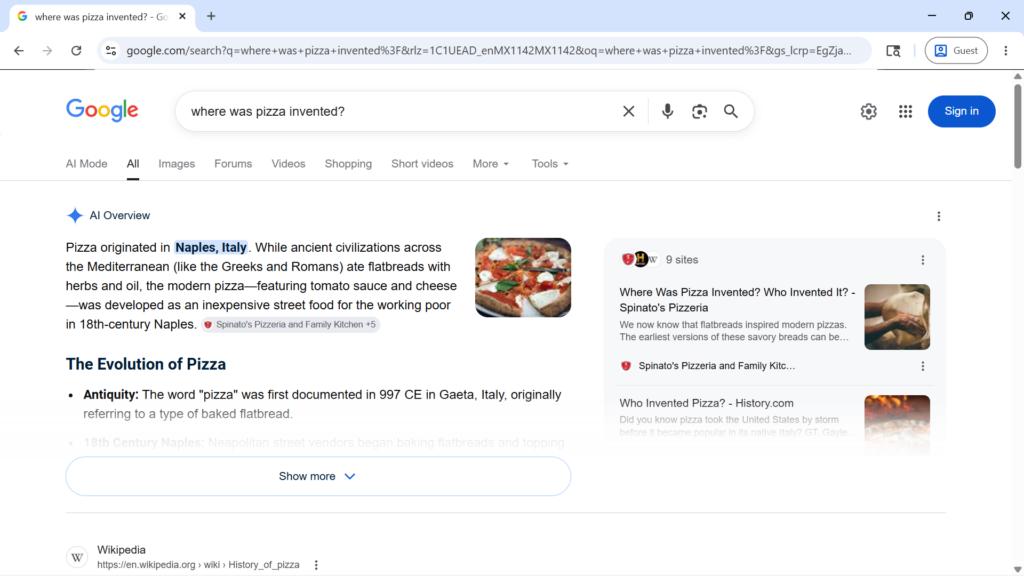
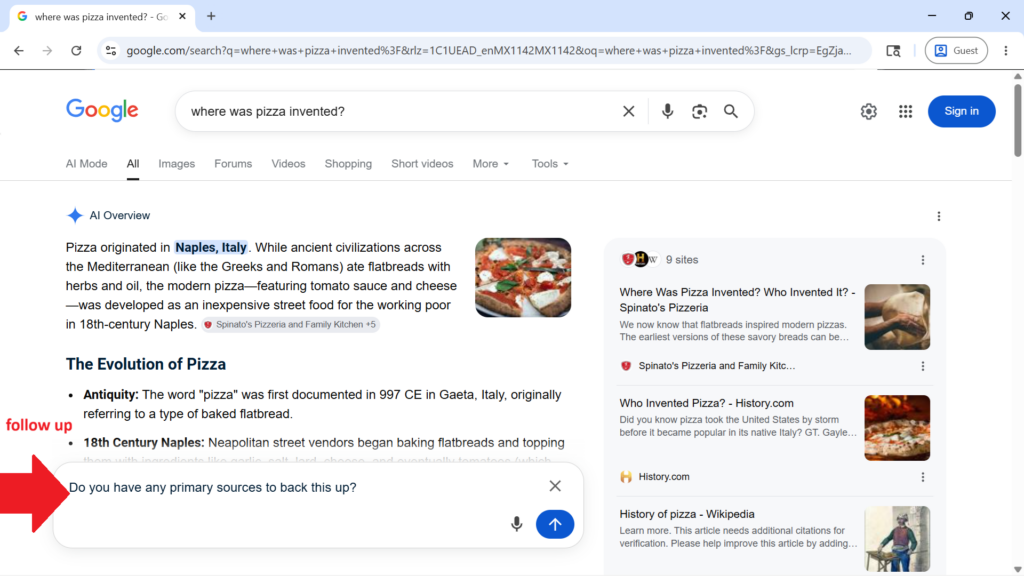
As shown in the image above, a person can start with a normal search and get an AI Overview.

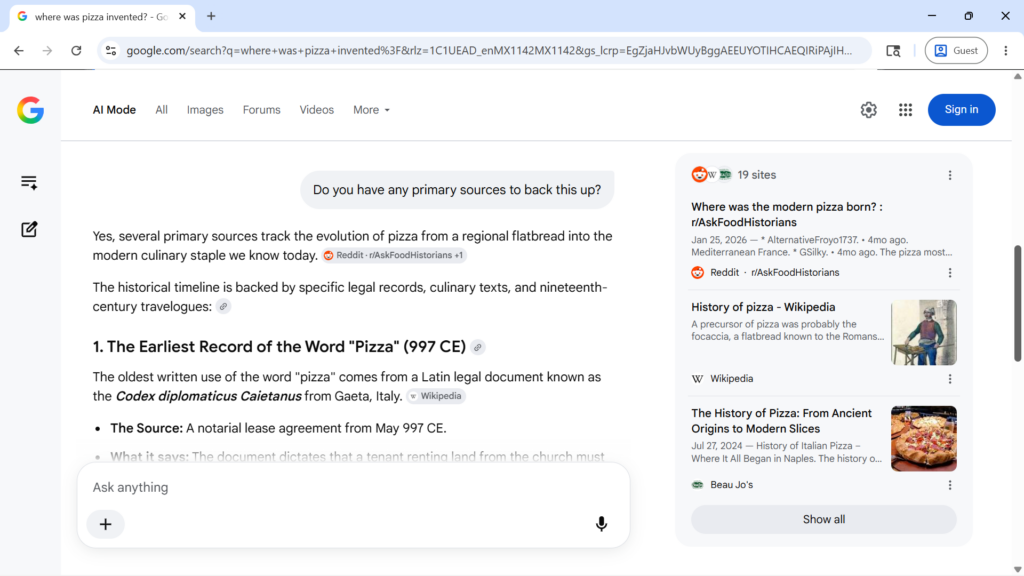
As shown in the images below, after that Overview displays, they can ask a follow-up question directly from that Overview, and then move into AI Mode without starting over. The key part is that the context can be carried forward.

Google, search, Google Search, AI, AI Mode, pizza
AI Mode, Google, search, Google Search, pizza

Here is another simple example.

Someone searches:

“best CRM for a small roofing company”

Google may show an AI Overview that summarizes the landscape, mentions a few software options, explains common buying criteria, and provides supporting links.

Then the user asks:

“Which one is best if most of my leads come from Google Ads and phone calls?”

That follow-up is not just a fresh keyword search. It is now a continuation of the original search. Google already knows the user is asking about CRM software for a small roofing company. Now the user has narrowed the criteria around Google Ads, call tracking, and lead management.

That is what I mean by questions flowing into AI Mode.

The user starts in regular Search. They interact with an AI Overview. Then, as they ask a follow-up question, they move into a more conversational AI Search experience where Google can reason through the next layer of the decision.

That matters because search is becoming less linear.

The old model was:

Keyword → rankings → click.

The new model is closer to:

Question → AI Overview → follow-up → AI Mode → comparison → supporting links → possible click.

That is a very different environment for brands.

Google, Intelligent Search box, search, Google Search

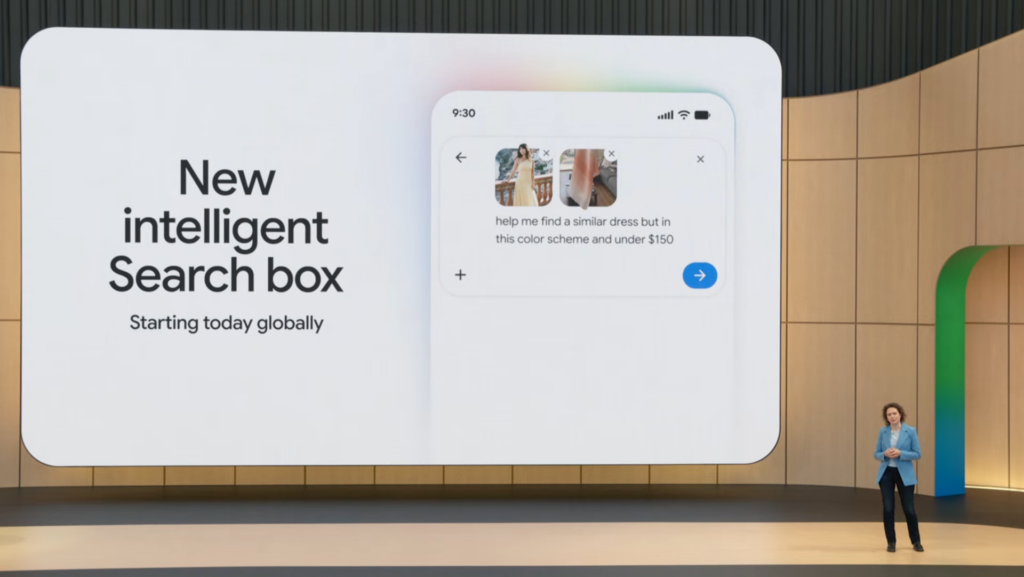
Google also announced an upgraded “intelligent Search box.” This is not just autocomplete with a new coat of paint. The Search box can expand as the user types longer prompts. It can help users formulate more complete questions. It can support text, images, files, videos, and Chrome tabs as inputs.

That means the search input itself is becoming more like a prompt window (similar to the ChatGPT experience).

If someone types a short query, Google can still respond quickly. If someone gives a long, specific prompt, Google can break that prompt apart, run multiple related searches in the background, compare information, and build a more complete answer.

This is where query fan-out matters. Something I’ve been talking about and implementing for a few years now.

Instead of treating one search as one keyword, Google can break a complex question into many smaller related searches. Then it can retrieve information from different parts of the web, compare the information, and synthesize the answer.

That creates a new challenge for SEO.

It is not enough to rank for one obvious keyword anymore.

Your brand needs to be retrievable at the chunk level.

That means your content has to answer the real sub-questions buyers ask when they’re making a decision.

For a local service business, that could mean:

“What does roof cleaning cost in Los Angeles?”

“How long does door replacement take?”

For a SaaS company, that could mean:

“What is the best CRM for contractors under 10 employees?”

“Is this built for a small operator or an enterprise team?”

Those are not vanity content topics. Those are decision topics.

Google also talked about more visual and interactive Search experiences. In some cases, Search may not just return text. It may generate a table, a graph, a simulation, a dashboard, a tracker, or even a small custom tool.

That sounds dramatic, but the business implication is simple:

Google wants to move from just answering questions to helping people complete tasks.

Search is becoming an interface where people can compare, plan, monitor, and act.

There is another quiet but important shift happening here.

Google is expanding Preferred Sources, a feature that lets users tell Search which websites they want to see more often.

At first, this mostly affected Top Stories. Now, Google is bringing that source preference layer into AI Overviews and AI Mode.

That means Search is becoming personalized by more than location, device, history, and query wording.

Users can click this link to opt-in to see more of your website’s relevant content in their search results.

This is not a universal ranking boost.

It means two people can search the same thing and see different sources emphasized because one of them has directly chosen who they trust.

That is a major shift.

So as you can clearly see, brand trust is no longer just something that happens before the search.

It’s becoming part of the search experience itself.

Search, Google, Information agents, AI agents, AI

Google also announced information agents. These are AI agents that can monitor the web and alert users when something changes.

For example, a person could ask an agent to watch for a certain apartment listing, a price change, a product drop, or another condition.

At first, some of these agentic features are launching for Google AI Pro and Ultra subscribers.

Google AI Pro is the paid plan for people who want higher access to Google’s AI tools. Google AI Ultra is the higher-end plan with the highest access, more usage, and earlier access to advanced features.

The reason that matters is because the most advanced version of this search behavior may not hit every user all at once. It will likely roll out unevenly by country, language, device, plan, and query type.

So now is the time to adjust your frame of mind around what “Search” consists of.

The question is not “How do I rank for more keywords?”

The better question is:

“How do I make my brand easier for Google, AI systems, and real buyers to retrieve, trust, compare, and choose?”

That means fundamentals still matter.

Clear service pages matter.

Strong internal linking matters.

Real reviews matter.

Helpful FAQs matter.

Pricing clarity matters.

Comparison pages matter.

Case studies matter.

Third-party mentions matter.

Schema can help.

Brand demand matters.

Google Business Profile quality matters.

Content structure matters.

Authority still matters.

The interface changed, but the fundamentals did not disappear.

What changed is the standard.

The brands that win will not be the ones yelling, “I must rank #1.”

They will be the ones becoming easier to retrieve, easier to trust, and easier to choose.

Schedule a call with me directly if you want to construct a custom fit plan to grow your business in the age of AI search today.

The New Local SEO Reality: AI Up Top, Trust Still Underneath

If you want the short version, here’s what I’m seeing right now. Local SEO is still very much alive, but the way people discover and choose local businesses is changing. Google is moving toward a more conversational, AI-engine experience, so it’s not enough to just rank anymore. Your business also needs to be easy for Google to understand, easy for AI systems to summarize, and easy for real people to trust.

I recently sat down with Darren Shaw from Whitespark, and the conversation reminded me why local SEO is still one of the most valuable parts of search. 

Darren has been in this space long enough to see local search evolve from simple map pack tactics into a much more sophisticated system of proximity, relevance, reviews, business data, and now AI recommendations.

That kind of perspective matters to me. A lot of people in SEO get distracted by the latest acronym or trend, but what I appreciate about Darren is that he has seen enough cycles to know what actually holds up over time. 

The main takeaway of the conversation was pretty simple. AI is changing the way people experience search, but it is not replacing strong local SEO fundamentals. If anything, it is making them even more important.

The local search interface is changing

Google maps, maps. SEO, AEO, GEO

The local search interface is changing because people are no longer limited to short keyword searches like “plumber near me” or “dentist Dallas.” They are asking longer, more specific questions. They want recommendations based on urgency, preference, trust, location, availability, and context.

That changes the job of local SEO.

For a long time, local SEO was mostly about ranking in the local pack for short keywords. I still think that matters. I just don’t think it tells the whole story anymore. In an AI search environment, the bigger question is whether the system understands your business well enough to recommend it in the right situation.

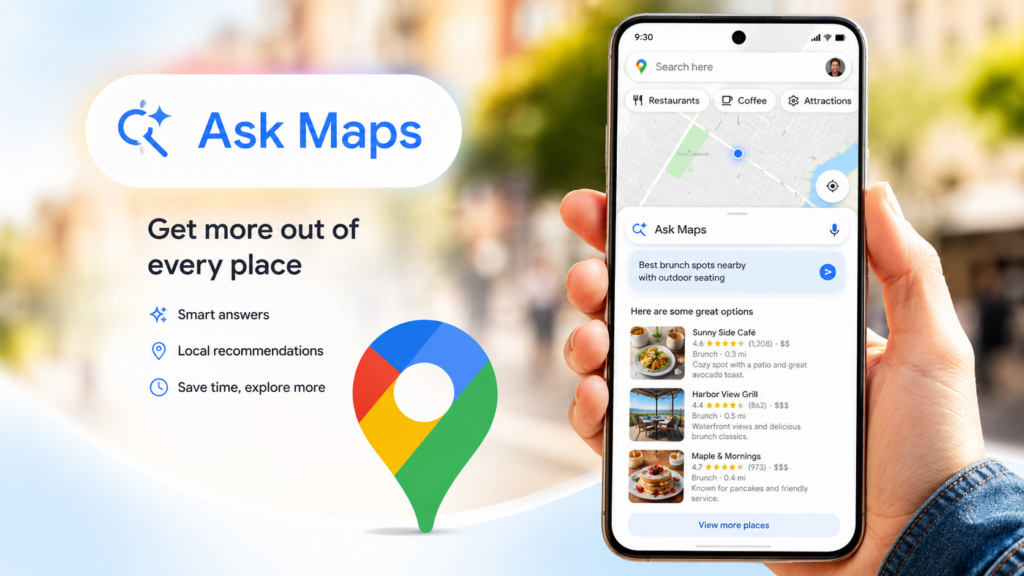
That’s why I think Google’s Ask Maps feature matters. Google is turning Maps into a Gemini-powered conversational experience where people can ask real-world questions about places and get personalized recommendations based on Maps data. To me, that’s a pretty clear signal. Maps is becoming more than a directory. It’s becoming an AI search layer that helps people make real-world decisions.

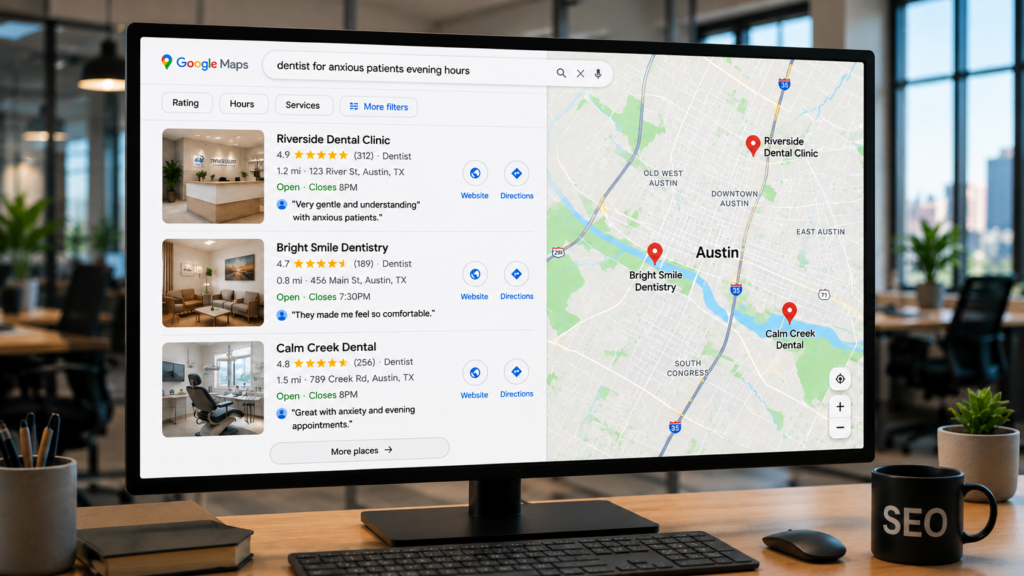
When I look at a search like finding a nearby dentist who is good with anxious patients and offers evening appointments, I see a very different kind of intent than a simple “dentist near me” search. The practice that wins that query is usually not just the one closest to the person searching. It is the one with the clearest service information, the strongest reviews, useful supporting content, and enough trust signals that Google feels confident recommending it.

That’s where local SEO is headed.

Local SEO was never just about ranking

GEO, AEO, search, maps, local SEO

I never viewed local SEO as just a rankings play. A local business does not win because it shows up. It wins when someone chooses it. Rankings give you visibility. Selection is what turns that visibility into revenue.

That’s where I see a lot of businesses get stuck. They obsess over where they appear and ignore how they look when a real customer starts comparing options. You can rank well and still lose the lead if your Google Business Profile feels thin, your reviews do not build trust, your photos look outdated, or your service details do not answer the question the buyer actually has.

That matters even more now because AI-driven local search is not just about retrieving businesses. It is comparing them. It is summarizing them. It is trying to decide which option looks most useful for the person searching.

So when I look at local visibility, I want a business to be built for both retrieval and preference. Retrieval means Google can find it and understand it. Preference means the system has enough confidence to show it as the better fit. That’s the standard I care about.

Reviews are one of the strongest trust layers in local SEO

Reviews, customers, AEO, SEO, GEO

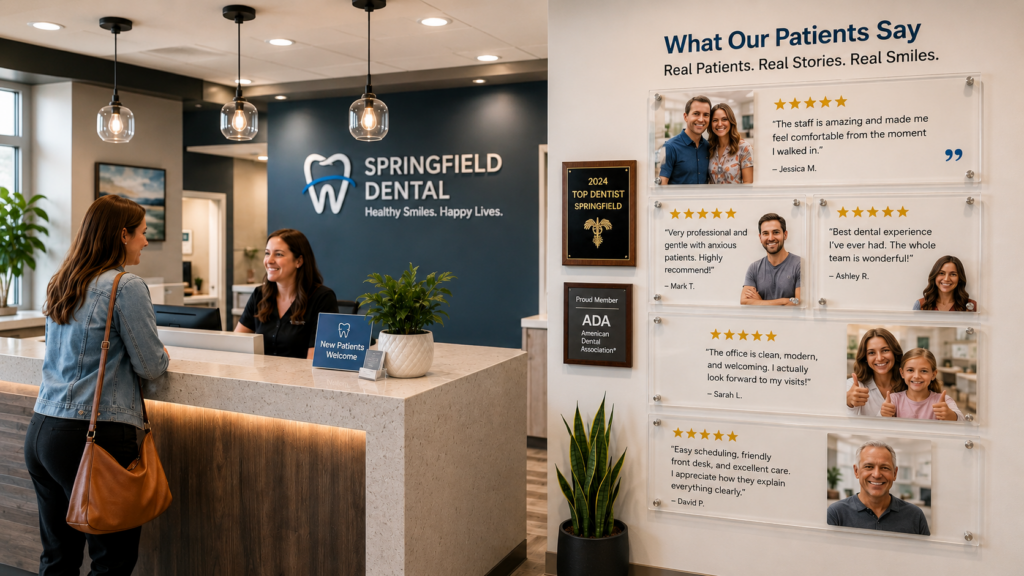
I think reviews are one of the strongest trust layers in local SEO because they influence both rankings and conversions. Darren made that point clearly in our conversation, and I agree with him completely.

A lot of business owners still think about reviews as reputation management. That is part of it, but it’s not the whole story. Reviews are also content. They capture the real customer experience in natural language. People talk about services, staff, neighborhoods, problems, outcomes, wait times, pricing concerns, and the reasons they chose that business in the first place.

That kind of language helps customers decide, but it also helps search systems understand the business at a deeper level.

If patients keep saying a dental office is great with nervous patients, that is a meaningful signal. If homeowners keep mentioning emergency roof repair after storms, that matters too. If restaurant customers keep bringing up gluten-free options, fast service, parking, or atmosphere, that gives useful context.

I think this matters even more in AI local search because the query is getting more conversational. People are not just searching for a category anymore. They’re looking for the right fit.

Review recency matters more than most businesses realize

Reviews, AEO, SEO, GEO

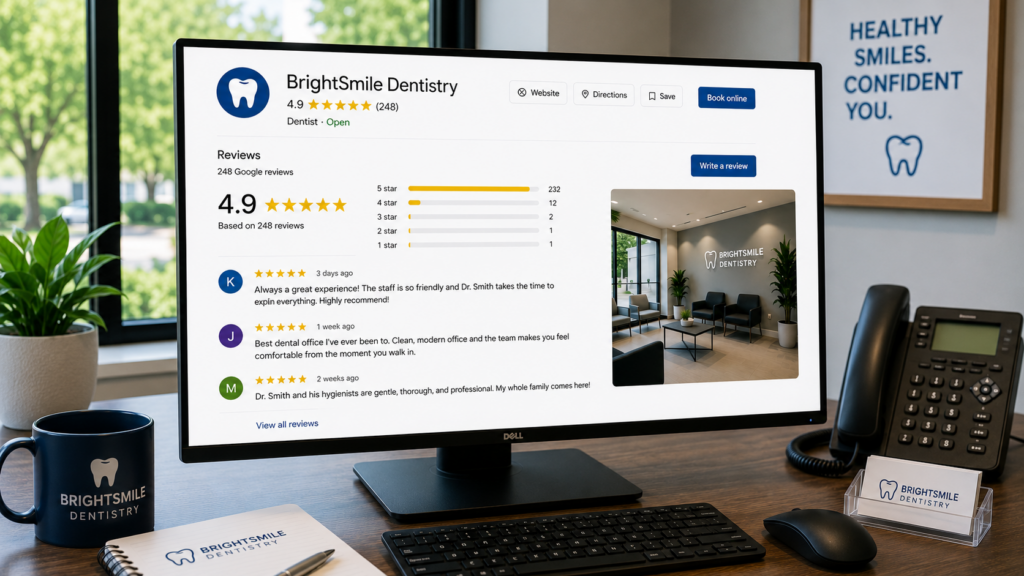
Review recency matters more than most businesses realize because customers and search systems both care about what’s happening now. A business with a large review count but no recent activity can look stale. A business with fewer total reviews but consistent new reviews can look active, trusted, and relevant.

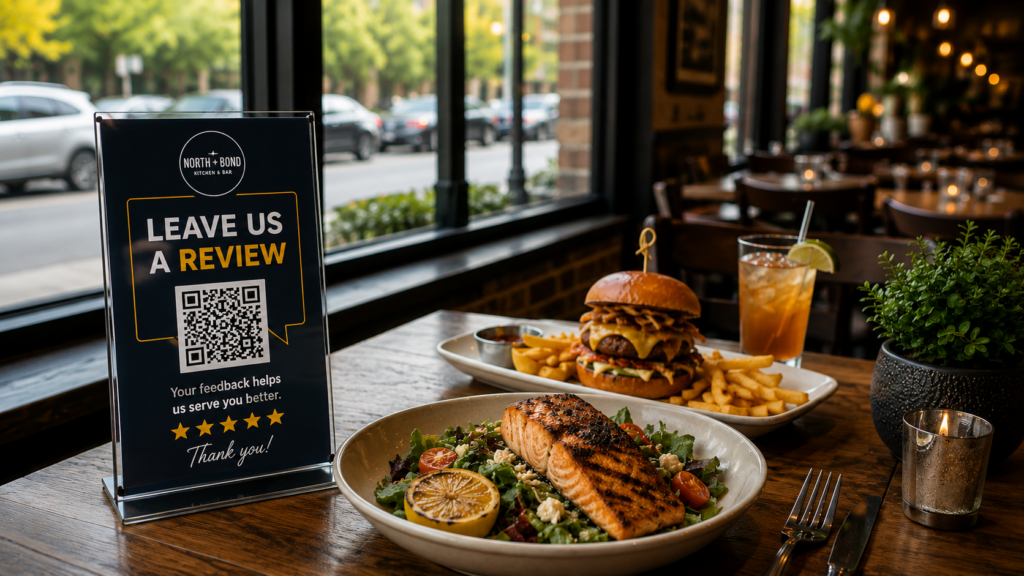
That does not mean businesses should chase reviews in a sloppy or aggressive way. It means review generation should become part of the operating process. Ask at the right time. Make it easy. Train the team. Use a simple review link or QR code when appropriate. Follow up naturally. Keep the process tied to real customer experience.

The mistake is treating reviews like a one-time campaign. Reviews should be a steady signal that the business is active, trusted, and still delivering.

That is especially important in competitive local markets where every business claims to be the best. Reviews give buyers and AI systems a stronger reason to believe one business over another.

Your Google Business Profile has to be built like a conversion asset

Restaurant, reviews, GEO, AEO

I look at a Google Business Profile as a conversion asset, not a box to check. A lot of local buyers decide who to call before they ever spend much time on a website, so the profile itself has to help you win the click, the call, or the visit.

That is one reason local SEO has been more protected from AI disruption than pure informational SEO. If someone wants a definition or a basic how-to answer, AI may handle that without sending the user anywhere. But if someone needs a dentist, lawyer, plumber, med spa, restaurant, HVAC company, or roofer, they still have to choose a real business.

And a lot of that choice happens inside Google.

Your categories, services, products, photos, reviews, posts, hours, attributes, and business description all shape that decision. Some of those elements can affect rankings. Others do more of the conversion work. I care about both.

I see too many businesses treat their Google Business Profile like a one-time setup task. They choose a category once, add a few photos, write a generic description, and move on. Then they wonder why competitors with stronger profiles keep getting the calls.

That’s not how I approach it.

If your profile is one of the main places customers compare you, it needs to be built intentionally and managed like a living visibility asset.

Categories can quietly make or break local visibility

Categories, AEO, GEO, SEO

Categories are one of those local SEO details that seem small until they start costing a business real visibility. I check them early because they tell Google what kind of business it is. If the primary category is too broad or just not aligned with the core offer, you can create a relevance problem before anything else even gets a chance to help.

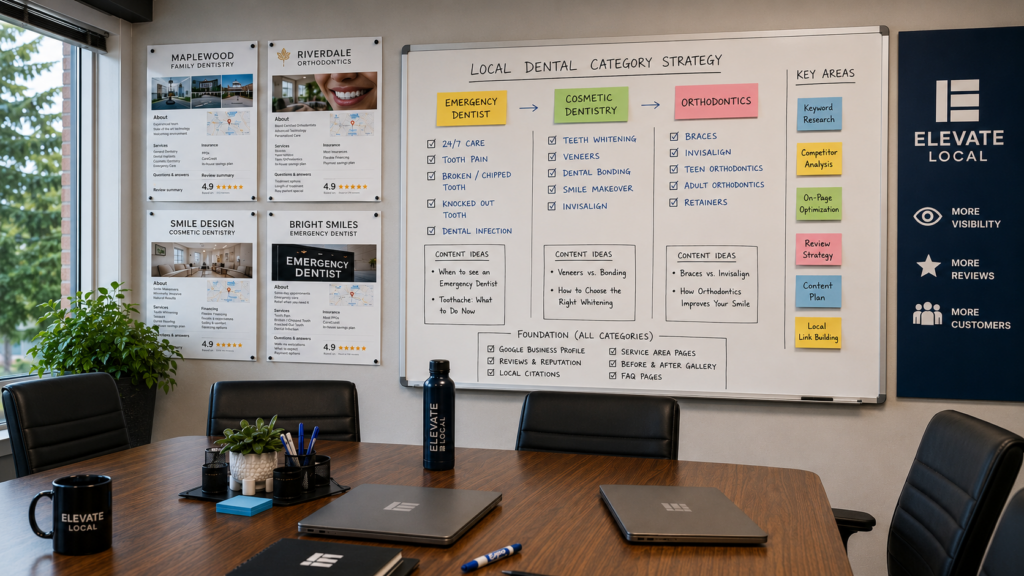
I see this a lot. A law firm selects “law firm” when the better fit might be personal injury attorney, criminal justice attorney, or bankruptcy attorney. A dental practice might not reflect the services it actually wants to be found for, which means it can miss visibility for higher-intent searches tied to emergency dentistry, cosmetic dentistry, implants, or orthodontics.

This is one of the first things I look at in a local SEO audit because it’s simple, but the impact can be significant. The primary category needs to match the main thing the business wants to be found for. Then the supporting categories, services, website content, reviews, and citations all need to reinforce that same relevance. That’s how I help close the gap between what a business offers and what Google understands.

Citations are still useful, but they are not a magic shortcut

Citations, GEO, AEO, SEO

Citations still matter, sure, but I don’t look at them as the shortcut they used to be in local SEO.

I think of them as trust and legitimacy signals.

If a business only shows up on its website and Google Business Profile, that’s a pretty thin footprint. If the same business information shows up consistently across major directories, industry platforms, local sources, review sites, and other trusted third-party profiles, the business looks more established and easier to verify.

I think that matters for Google. I also think it matters even more as AI systems take a bigger role in local discovery.

What I would not do is push a business into hundreds of weak directories just to inflate the count. I would focus on building a clean, consistent presence in the places that actually matter. That usually means major business directories, relevant local sites, industry-specific platforms, review sources, and professional associations.

The right mix depends on the business. If I am working with a lawyer, I am looking at legal directories. If it is a dentist, I want healthcare-related profiles. If it is a home services company, I am thinking about home services platforms, local associations, and trade directories.

I am not after volume here. I am after confidence.

AI local search rewards complete information

AI local search, AEO, GEO, SEO

AI local search rewards complete information because conversational searches need more context.

A short keyword search might only need a service and a location. But if someone is looking for the best emergency plumber nearby who can come out tonight and has strong reviews, the system has a lot more to evaluate. It has to understand the service, the urgency, the area, the availability, the review quality, and whether the business looks trustworthy.

If your business does not communicate those details clearly, you are asking Google and AI tools to fill in the blanks. I do not like building marketing strategies around guesswork. I would rather feed the system better information.

That starts with the basics. I want the website to answer real buyer questions. I want the Google Business Profile to list clear services. I want reviews that are recent and specific. I want citations to stay consistent. I want photos that build trust. And I want the content to explain who the business helps, what it does, where it works, and why someone should choose it.

This is not about stuffing keywords into every surface. It is about making the business easier to retrieve, understand, compare, and recommend.

That is the difference I see between old local SEO and local SEO built for AI search.

Old SEO tactics are not enough by themselves

SEO tactics, GEO, AEO, search

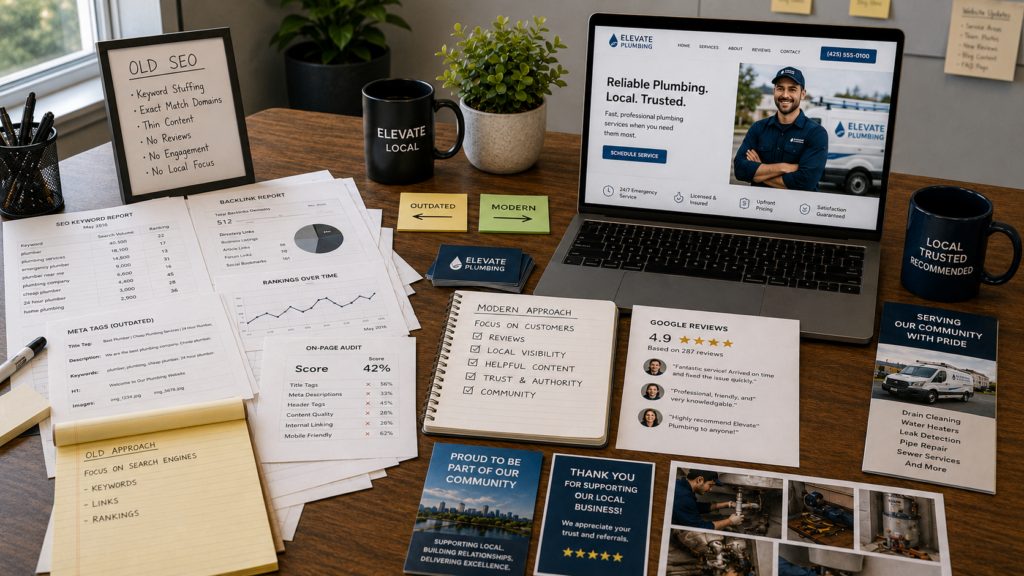
Old SEO tactics are not enough on their own anymore, especially in local search. Google is doing more than matching words. It’s getting more interpretive. It’s trying to understand the business itself, the context around the search, the evidence behind the claims, the sentiment around the brand, and whether the fit is actually right for that customer’s need.

That does not make traditional SEO useless. I still care about the fundamentals. Technical health matters. Crawlable pages matter. Strong content matters. Internal linking, backlinks, local relevance, and clean business data all still do real work.

But now I see those pieces as support for something bigger.

I am not just asking if a business can rank for a keyword. I am asking if Google would feel confident recommending that business for a specific situation.

That shift changes how I approach local strategy.

A generic service page is not enough. A thin Google Business Profile is not enough. A few old reviews are not enough. A list of locations without real local proof is not enough.

If a business wants to win, it has to become the clearest and most credible answer for the situations it wants to own.

That’s the work.

The biggest opportunity is fixing selection, not just visibility

Visibility, AEO, GEO, SEO

The biggest opportunity is fixing selection, not just visibility. Most businesses want more rankings, but many of them are already leaking leads from the visibility they have.

If your profile gets impressions but few calls, that is a selection problem. If people click your profile but choose a competitor, that is a selection problem. If you rank locally but your reviews, photos, services, and website do not build confidence, that is a selection problem.

This is why I don’t separate SEO from conversion.

A stronger review profile can improve trust. Better photos can reduce hesitation. Clearer services can increase relevance. Better website content can support both users and AI systems. Stronger citations can reinforce legitimacy. A better Google Business Profile can turn more visibility into actual leads.
That is how local SEO should be judged.

Not just “Did rankings move?”

The better question is, “Did the business become easier to find, trust, and choose?

Local SEO is getting more conversational, more personalized, and more influenced by AI, but the goal is still the same. I want the right customers to find your business, trust what they see, and feel confident choosing you.

What has changed is the standard. If you want to show up well in AI local search, your business needs complete information, recent reviews, accurate categories, clear service details, consistent listings, and content that answers the real questions people ask before they ever contact you.

If you want a practical game plan, schedule a call with me. I’ll show you where your local visibility is leaking, what is keeping your business from being preferred, and which fixes I would prioritize first.

AEO SEO Trends | Know what matters now | SEO Rank Media

In a recent video interview, which you can find on my YouTube channel, Mitko asked me why it is that so many people say that “SEO didn’t work” for them.

A lot of businesses think search is supposed to reward them quickly just because they made changes, published content, or hired somebody to “do SEO.” That is not really how Google operates.

In fact, one of the biggest mistakes I see is people expecting fast, clean, obvious feedback from a system that is built to be cautious, suspicious of manipulation, and slow to hand out trust.

That is the frame I want people to understand.

I talk about this in the above recent YouTube video.

In the video, I talked about a Google patent that gets at this idea directly. The core point is that when changes are made to a document or a site, Google may not just cleanly move that page from old rank to new rank in a straight line. There can be a transition period. And during that transition period, the response can look delayed, negative, random, or just unexpected.

That part matters a lot.

Because what most businesses want is this: “I made the optimization, so now show me the reward.”

But what Google seems to be saying is closer to this: “You made a change. Fine. I am still going to watch it. I am still going to test it. I am still going to make sure I am not being manipulated.”

That is a completely different mindset.

And once you understand that, a lot of what confuses people starts to make more sense. 

So when I look at Google, I do not look at it like some simple machine where you press a button and get a ranking. I look at it more like a system that is trying to protect itself. It wants to separate genuine value from manipulation. It wants to avoid being gamed. It wants to see what holds up.

And if that is how the system operates, then the businesses that win are usually not the ones chasing instant movement. They are the ones doing steady, credible, useful work long enough for trust to build.

That is the foundation.

And once you understand that foundation, the next two shifts matter even more.

Why TurboQuant Matters More Than It Sounds


Turboquant shows AI search getting faster and efficient

Now let’s build on that.

If Google is already operating from a place of caution and trust, then the next big question is how it gets better at understanding meaning, intent, and usefulness at scale. That is where TurboQuant gets interesting.

The simple version is that TurboQuant points to AI search getting much faster and more efficient at handling vector search. In plain English, that means better semantic understanding across huge amounts of information. It means systems can process meaning more efficiently instead of relying so heavily on simple term matching and slower methods.

What gets my attention here is not just the technical side of it. It is what it suggests about where search is going.

If Google gets faster at building and using these semantic representations, then it gets better at understanding what a person is actually looking for, not just what exact words they typed. It also gets better at pulling from a much larger pool of relevant information when deciding what to surface.

That raises the standard.

Because now it is not enough to just have a page that mentions the right terms. It is not enough to sound vaguely relevant. The system is moving more toward understanding whether your page actually helps with the need behind the query.

That is a big difference.

So when I look at something like TurboQuant, I do not see it as some separate “AI thing” over here and SEO over there. I see it as part of the same direction Google has been moving in for years. Better understanding. Better retrieval. Better intent matching. Better filtering of weak, generic, copycat content.

And that brings more pressure, not less.

You do not respond to this by pumping out more empty pages. You respond by making your content more answer-ready, more credible, and more tightly aligned with what real people and AI engines are looking for. You reduce fluff. You improve structure. You make your pages easier to understand. You make the value obvious.

That is what I think a lot of people miss when they hear about new search technology. They want a trick. They want a shortcut. But most of the time, what these changes really do is increase the reward for clarity and increase the penalty for weak thinking.

Why ChatGPT Just Became a Bigger Product-Discovery Surface

ChatGPT agentic commerce

Now, here is the other shift brands need to pay attention to.

ChatGPT just became a more serious place for product discovery.

With the richer shopping experience that rolled out in late March, users can now begin to browse more visually, compare products side by side, and move through product consideration in a much more direct way inside ChatGPT itself. To me, that matters because AI visibility is not just about being cited anymore. It is increasingly about being considered.

That is a different stage of the journey.

A lot of brands are still thinking, “Do I show up?” But that is too basic now. The better question is, “When I do show up, can I be understood, compared, and chosen?”

Because that is where this is going.

If a person is using ChatGPT to explore products, compare options, and narrow decisions, then your visibility problem is no longer just a traffic problem. It is a retrieval and consideration problem. 

Can the system pull in the right information about what you sell? Can it understand what makes your product different? Can it present your offer in a way that makes sense next to alternatives?

If not, you are leaking visibility at the exact moment somebody is trying to make a decision.

And this is where I think the connection becomes really clear.

Google’s operating logic has long been about resisting manipulation and trying to reward actual value over time. 

New developments like TurboQuant suggest search systems are getting faster and better at understanding meaning and intent. 

And now ChatGPT is becoming a stronger environment for product comparison and discovery.

Put all of that together, and the pattern is obvious.

The brands that win are not going to be the ones relying on shallow tactics, inflated claims, or messy pages that make people work to understand them. The brands that win are going to be easier to retrieve, easier to understand, easier to compare, and easier to trust.

That is the real shift.

So if I am looking at a brand right now, I am asking a few simple questions:

Is the message clear?

Is the offer easy to understand?

Is the content genuinely useful?

Are the pages structured in a way that helps both humans and machines?

When somebody compares this brand to alternatives, is there a strong reason to choose it?

That is where I would put my attention.

And this is what we help brands accomplish organically.

Because search is not just a ranking environment anymore. It is becoming more of a retrieval, evaluation, and selection environment. And honestly, that has been building for a while. It is just getting harder to ignore now.

Be clearer.
Be more useful.
Be more credible.
Be easier to understand.
And stop expecting a trust-based system to behave like a vending machine.

That is the mindset shift.

And the businesses that make that shift early are going to be in a much better position than the ones still waiting for instant feedback from systems that aren’t designed to work that way.

Top-Rated SEO Agencies in Los Angeles: How to Find the Right Firm (With a Comparison Framework)

TL;DR — Top-Rated SEO Agencies in Los Angeles: How to Find the Right Firm (With a Comparison Framework)

If you’re trying to hire an SEO agency in Los Angeles, the best choice is the one that matches your goals, market, and internal capacity, not the one that shows up #1 on a random (and often paid for) list.

  • Build a shortlist using proof (case studies, reviews) and consistent third-party feedback, not hype.
  • Define “top-rated” as measurable results, transparent reporting, ethical tactics, and strong communication.
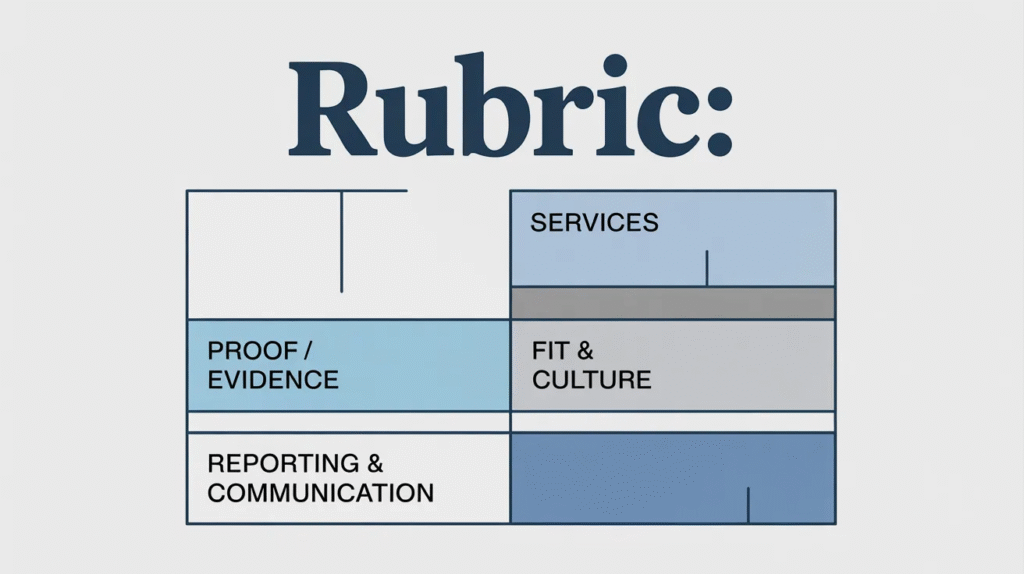
  • Use a scoring rubric to compare agencies across services, evidence, reporting, and fit.
  • Verify everything: ask for examples, a clear plan, and specifics on how success will be measured.

Why I don’t believe there’s one “best” Los Angeles SEO agency

There isn’t one best Los Angeles SEO agency because the right partner depends on your goals, budget, timeline, and how competitive your market is.

When someone asks me who the “best” firm is, my first question is always: best for what outcome? More calls? More qualified leads? More ecommerce revenue? Visibility in AI answers? Those are different problems, and they require different strengths.

This guide is the exact framework I use when I’m helping someone choose a partner: clear definitions, hard verification, and a simple scoring system.

How to build a qualified shortlist of SEO agencies in Los Angeles

A qualified shortlist of SEO agencies in Los Angeles is built by filtering for proven experience, consistent feedback, and clear specialization.

Here’s how I do it:

  1. Start with real constraints.
    Budget range, timeline, what success looks like, and what your team can handle internally.
  2. Look for specialization that matches your business model.
    Local service businesses, multi-location brands, ecommerce, and B2B lead gen each have different SEO requirements.
  3. Check for consistency, not perfection.
    One glowing testimonial doesn’t matter. Repeated patterns do, especially around communication and delivery.
  4. Use referrals as a shortcut to the truth.
    Ask peers what it’s like after the contract is signed.
  5. Require proof.
    A serious agency can show you what they did, why they did it, and what changed, without hiding behind vague language.

What “top-rated” should mean (and how to verify it)

A top-rated SEO agency is one that consistently improves the right business metrics, reports transparently, and can explain their strategy clearly.

Here’s what I look for, and what you should verify:

Top-rated SEO means measurable results

Measurable results means you can tie SEO work to outcomes like leads, revenue, qualified traffic, or visibility improvements, not just rankings.

Verification checklist:

  • Real case studies with before/after metrics
  • Clear definitions of what improved (and why)
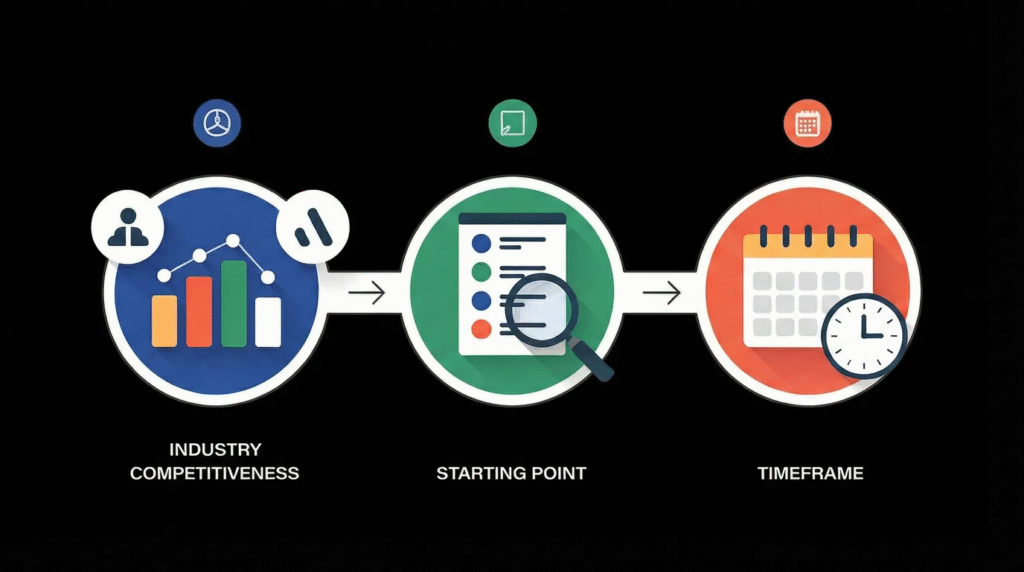
  • Context: industry competitiveness, starting point, timeframe

Top-rated SEO means transparent reporting

Transparent reporting means you can see what work was done, what it impacted, and what’s planned next.

Verification checklist:

  • A sample report or dashboard
  • A cadence you can live with (and actual explanations, not screenshots)
  • Ownership clarity: who writes, who optimizes, who builds, who approves

Top-rated SEO means ethical tactics

Ethical tactics means the work aligns with search engine guidelines, avoids manipulation, and doesn’t rely on “secrets.”

Verification checklist:

  • They explain link acquisition plainly
  • They’re clear about content quality standards
  • They don’t pitch shortcuts that “always work”

Top-rated SEO means realistic commitments

Realistic commitments means no one should promise a specific #1 ranking by a fixed date, but a good agency can commit to measurable progress with defined assumptions.

Verification checklist:

  • Any “guarantee” is tied to clearly defined visibility or performance metrics
  • They explain what variables can change outcomes (competition, technical debt, approvals, site history)

What services a strong Los Angeles SEO agency should offer

A strong Los Angeles SEO agency should cover technical SEO, content strategy, on-page optimization, authority building, and performance tracking.

Depending on your goals, you may also want:

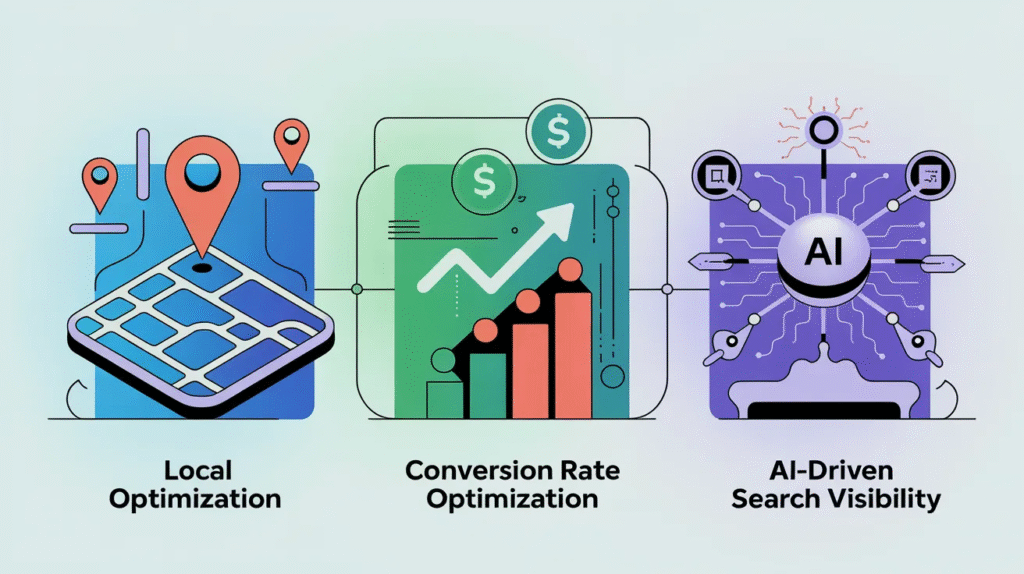
  • Local optimization (map presence, location pages, reviews strategy)
  • Conversion rate optimization (so traffic turns into revenue)
  • Support for AI-driven search visibility (content that’s easy to extract, cite, and trust)

The point isn’t to buy everything. The point is to make sure the agency can deliver what your model needs—without outsourcing critical pieces blindly.

A simple scoring rubric to compare SEO agencies objectively

A scoring rubric helps you compare SEO agencies apples-to-apples by grading the same factors across every proposal.

Score each category from 1 (poor) to 5 (excellent):

Category What to look for Score (1–5)
Services Coverage of technical, content, authority, local (if needed), analytics 1–5
Proof / Evidence Case studies, references, clear examples, credible outcomes 1–5
Reporting & Communication Clarity, cadence, access to data, proactive insights 1–5
Fit & Culture Transparency, collaboration style, industry understanding 1–5

Then add one more filter:
If the agency can’t explain the plan in plain English, the score is irrelevant. Confusion becomes cost.

Example: comparing two common agency “types” in Los Angeles

Comparing two agency types works best when you score them against your priorities, not against each other’s marketing.

Below is an illustrative example using the rubric:

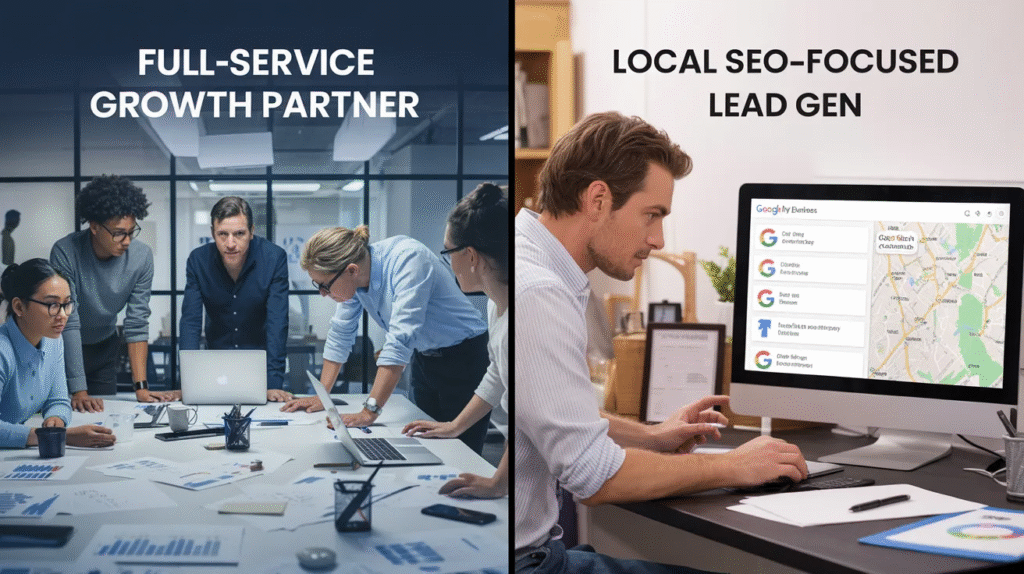
Agency Type Services Proof Reporting Fit Who it’s best for
Full-service growth partner 5 4 4 4 Businesses that want one team across SEO + adjacent growth needs
Local SEO-focused lead gen specialist 4 4 3 5 Local businesses that want a tight SEO scope and strong pipeline focus

If you’re a local service business, you might weight fit + local strategy higher. If you’re ecommerce, you might weight technical + conversion higher. The rubric stays the same, the weights change.

FAQs

How many SEO agencies should I interview in Los Angeles?

Interviewing at least three SEO agencies is usually the sweet spot because you’ll hear different strategies, pricing models, and levels of transparency. By the third call, patterns show up fast, especially around what’s fluff versus what’s real.

Should I hire a local Los Angeles SEO agency or a remote one?

Hiring local can help if your success depends on local search dynamics, but location matters less than communication, process, and proof. A remote team can still win if they understand your market, move quickly, and report clearly.

What are the biggest red flags when choosing an SEO company?

The biggest red flags are vague deliverables, unclear reporting, refusal to show proof, and promises that sound too precise to be real. If the agency can’t tell you what they’ll do in month one and how it will be measured, that’s a problem.

What should an SEO proposal include?

An SEO proposal should include scope, deliverables, timeline, KPIs, reporting cadence, and responsibilities on both sides. The best proposals also state assumptions (like implementation access, content approvals, and dev support) so expectations don’t get misaligned.

Choosing a top-rated SEO agency in Los Angeles is about verification and fit, not hype. Build a shortlist with proof, define what “top-rated” means for your business, use a consistent rubric, and don’t be afraid to ask direct questions.

Ready to make the choice easier?

If you want a second set of eyes on your site and a clear plan you can actually act on, my team at SEO Rank Media offers a free consultation and site audit so you can see what’s holding your visibility back, and what to fix first.

When you’re ready, schedule a call and I’ll help you map a practical SEO strategy built for where search is going (including AI-driven discovery), not just where it’s been.

The llms.txt debate: what’s real, what’s hype, and how to use it (safely)

Short version:
llms.txt is a proposal, not a formal web standard. Some sites ship it; some AI tools and SEO plugins promote it. Google says you don’t need it to show up in AI Overviews or any other Google products.

But: …like any public .txt file, an llms.txt URL can be crawled and indexed, so in rare cases a bare, unstyled text page could show up in search instead of your real, designed page.

I know of someone who created a playful file called cats.txt to make a simple point: Google can index plain text files if they’re publicly accessible and discoverable. In other words, the name doesn’t matter, if it’s a .txt and reachable, it can show up in search, just like any other indexable file type.

If a text file is publicly visible on your site, search engines can list it, which you certainly don’t want. To prevent this, send X-Robots-Tag: noindex in the HTTP response (works for non-HTML files), and if you want to point search engines to the right page, add a Link: <https://your-page>; rel=”canonical” header. Here’s what a real plain-text doc looks like in a browser (the kind that could hypothetically rank if you don’t block indexing):
 https://developers.cloudflare.com/llms.txt.

Google’s documentation covers both the noindex response header for non-HTML resources and using an HTTP canonical header.

Below is a clear walk-through, first in plain English (with analogies), then the technical details and safest practices.

What is llms.txt?

llms.txt is a simple text file you put at example.com/llms.txt. The file lists or summarizes your most important pages in Markdown, so AI systems can more easily read and use your content. Think of it like a cheat-sheet menu for bots: “Here are the dishes you should try; here’s how to ingest or interpret them.” It’s inspired by robots.txt and sitemaps, but it isn’t an official protocol like those are, just a community proposal.

Today, there’s no universal adoption. A directory of live implementations shows many developer-tooling/docs sites experimenting, often paired with a bigger llms-full.txt that expands the content.

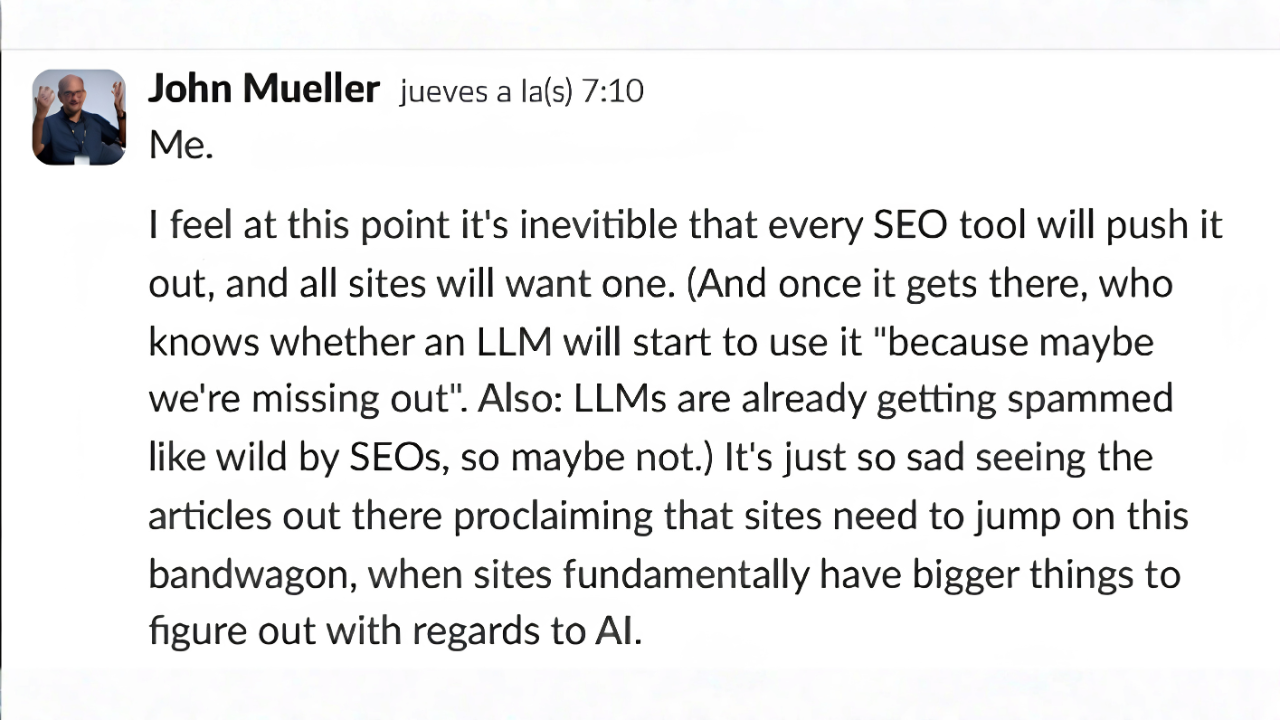
John Mueller / Google’s stance:  In a conversation with Caleb and a few other colleagues, Google’s John Mueller made it clear what side of the debate he’s on. You don’t need llms.txt; the guidance is to keep following normal SEO practices.

Why is there a debate?

John Mueller comment highlighting the llms.txt debate around SEO tools, AI search hype, and whether websites need the file.

The “we don’t need this” camp

  • Google says it won’t use llms.txt for AI search results, so for many sites this is optional at best.
  • llms.txt isn’t a standard; support and behavior differ by bot. In other words, don’t expect consistent results.

The “we’re seeing activity in the wild” camp

  • Practitioners have shared examples and logs showing Google indexing llms.txt pages, alongside surges of bot hits when large platforms roll it out, because it’s just a public text file like any other.
  • That doesn’t prove Google uses llms.txt for AI search results. It only proves that public .txt files can be crawled and indexed, which Google’s docs have said for years.

A layperson’s guide to the technical bits

  • robots.txt vs noindex
    robots.txt
    is like a bouncer who tells certain crawlers not to walk certain halls. It doesn’t guarantee your URLs won’t show up in the search phone book (the index). Pages blocked in robots can still be indexed by URL if they’re linked elsewhere. If you truly don’t want a URL in the index, use noindex, that’s a separate rule delivered in HTML or HTTP headers.
  • X-Robots-Tag and canonical
    For non-HTML files like .txt, the right place to control indexing is the HTTP response header.

    • X-Robots-Tag: noindex = “don’t list this address in Google.”
    • Link: <https://example.com/page>; rel=”canonical” = “if you do need to reference this, use our public address here.” (Google supports canonical in the header for non-HTML formats.)

  • User-Agent/UA and why blocking by UA isn’t enough
    “UA” is the name badge a crawler shows at the door (e.g., Googlebot, GPTBot). You can write per-UA rules in robots.txt, and major AI vendors document their UA strings.

But name badges can be forged; to be sure a request is truly a vendor’s bot, verify by reverse-DNS/IP, not just the UA string. Cloudflare has even accused some AI crawlers of stealth crawling (changing badges and IPs).

  • “Cloaking” and dynamic rendering
    Serving different content to bots than to users is a slippery slope. Google considers cloaking a spam tactic when bots and users see materially different things. Google also deprecated dynamic rendering (bot-only HTML) as a long-term approach. If you want a bot-friendly version, keep the substance the same as what people see.

The cannibalization risk (and how to avoid it)

User reviewing a raw indexed page showing the cannibalization risk of llms.txt replacing a designed website page in search results.

Imagine your llms.txt ranks for a branded query. A searcher clicks and lands on a wall of plain text with no design, navigation or conversion paths. That’s the risk: poor UX and lost revenue. It’s not hypothetical, plain text files do get indexed, and practitioners have shown real examples of llms.txt and llms-full.txt pages in the index. We also showed an example earlier in this article.

Fix: keep llms.txt fetchable (so AI tools can read it) but non-indexable in web search with:

X-Robots-Tag: noindex

Link: <https://www.example.com/your-preferred-page>; rel=”canonical”

These are HTTP headers on the llms.txt response, not tags inside the file. This is the safest, standards-compliant way to prevent cannibalization while still letting crawlers pull your file.

If you still want to experiment: safest practices

SEO analyst reviewing safe llms.txt testing practices with analytics before experimenting with AI search visibility.

1) Treat llms.txt as optional, and experimental

Ship it only if it supports real goals. Keep expectations modest; it’s a proposal, not a protocol.

2) Prevent web-search cannibalization

Serve HTTP headers on llms.txt (and llms-full.txt if you publish one):

  • X-Robots-Tag: noindex
  • Optional: Link: <https://www.example.com/the-main-URL>; rel=”canonical”

Think: “Please don’t list this file in the phone book; if you must reference something, here’s the main storefront.”

3) If you want to block certain AI crawlers elsewhere, do it the right way

  • In robots.txt, write rules per UA (e.g., User-agent: GPTBot). Vendors like OpenAI document their bot names.
  • For high-stakes data, verify IPs (reverse-DNS) because UA strings can be faked. Google documents how to verify Googlebot; similar logic applies to others.
  • Be aware: some AI bots have been accused of ignoring robots.txt or crawling stealthily, so consider edge-level blocking if needed (WAF/CDN).

4) What to put in llms.txt (if you use it)

Link to canonical, public pages that you want AI systems to cite: FAQs, policies, product specs, pricing explainer, and key how-tos. Keep it concise; don’t dump the whole site.

5) Instrumentation & monitoring

  • A .txt file is just raw text. Web browsers don’t run code inside it, so you can’t drop a JavaScript analytics snippet (like GA/GTAG) into a .txt and expect it to fire. Browsers only execute scripts when the content is served as a script/HTML type, not text/plain.

If you still want to see who’s fetching that file, look at your server or CDN access logs. Those logs list every request (time, IP, user-agent, URL, etc.), so you can count hits to /llms.txt even without JavaScript. Examples: Apache’s access log and Cloudflare Logs.

  • Watch Search Console: if a text file starts appearing in “Indexed,” revisit your headers. Google’s docs confirm indexing can occur even without crawling the content (e.g., when discovered by links).

6) Don’t block JS/CSS for Googlebot

If your SEO defense plan includes blocking scripts to hide unique content from AI, be careful: blocking JS/CSS broadly can break rendering in Google Search. If you must, target AI bots individually, not Googlebot

The bottom line (for decision-makers)

Business decision-maker weighing the pros and cons of llms.txt for AI search strategy and safe SEO implementation.
  • Not required: Google’s AI Mode doesn’t depend on llms.txt; normal SEO still wins.
  • Not a standard: It’s a proposal with uneven support. Useful for experimenting, especially for docs-heavy products; not a silver bullet.
  • If you try it, ship it safely:

    • Put it at the root.

      Keep it short and link to your best pages.

      Send X-Robots-Tag: noindex and, if helpful, a header canonical.

      Keep content parity; avoid UA-based “special versions” that diverge.
    • If you must block certain AI bots elsewhere, use per-UA robots rules plus IP verification at the edge; be aware of stealth crawlers.

If you want a place to start, you can base your evaluation on current adoption (developer docs ecosystems, directories of live files) and any internal log evidence you have about bot hits to llms.txt. Then decide whether it’s worth maintaining a curated cheat-sheet for AI, or whether your time’s better spent doubling down on structure, internal links, and copy, the proven levers. SEO Rank Media is among the leaders in the AI search conversation. Reach out to explore how we can set your brand up for the future.

How AI Mention Trackers Work: A Clear Guide to Understanding Visibility in Large Language Models

Artificial intelligence is becoming more deeply embedded in the way users search for, engage with, and consume information online. Businesses are now facing a new visibility frontier: large language models (LLMs) like ChatGPT, Claude, Google’s Gemini, and Perplexity. These AI tools are rapidly shifting how people discover brands and products, but there has long been a missing piece for marketers: how can you measure your brand’s presence across these tools?

Enter AI mention trackers—tools like Profound, Peec AI, and others that are helping brands figure out how often they appear in AI-generated answers. Think of them as the modern-day equivalent of media monitoring tools, but instead of scanning newspapers or websites, they scan what the AIs are “saying” about you. Let’s walk through exactly how these tools work, step by step, in simple and clear terms.

Step 1: Feeding Questions to AI Models

The first thing an AI mention tracker does is simulate real-world user queries. For example, if you sell coffee, it might generate prompts like:

  • “What are the best coffee brands for home brewing?”
  • “Which companies sell sustainable coffee beans?”

These questions are either preloaded by the tool or customized by the user. Then, the tool asks these questions to various AI platforms—ChatGPT, Claude, Perplexity, and others. These queries are sent using APIs or simulated browser sessions, mimicking the behavior of a real user.

To make the results more robust, the tool may vary how it phrases the questions, capturing a wider net of responses. This ensures the data reflects how real users might engage with AI tools.

Step 2: Collecting the AI’s Answers

Once the questions are submitted, the AI models reply with natural-language answers. The tracker collects all of these answers—a big pool of unstructured text. If the AI provides source citations or links (as Bing or Google often do), the tool grabs those too.

This phase is about capturing everything that the AI outputs, regardless of whether your brand appears yet.

Step 3: Detecting Brand Mentions

Now comes the scanning. The tool searches through each AI-generated answer looking for specific brand names, website URLs, or product terms. It checks to see if, for example, “Acme Coffee” or “acmecoffee.com” shows up in the text.

This is similar to a human pressing “Ctrl+F” and looking for their company’s name. The tool notes:

  • Where the mention appeared
  • How often it appeared
  • In what context (Was it a top recommendation? Just a mention in passing?)

If the brand doesn’t appear, that’s recorded too. These “non-mentions” are equally important because they show where the AI isn’t recognizing your brand.

Step 4: Counting and Aggregating Mentions

Counting and Aggregating Mentions

The tracker now tallies up the results across many queries and platforms. This helps quantify your brand’s visibility. You might learn that your brand appeared in:

  • 8 out of 20 questions on ChatGPT
  • 10 out of 20 on Google Gemini
  • Only 3 out of 20 on Bing Chat

These numbers are typically translated into metrics like “share of voice” (SOV) or mention frequency. Tools like Profound display this in an easy-to-read dashboard, comparing your visibility to your competitors.

Over time, this creates trend lines that show whether your brand’s AI visibility is improving or declining.

Step 5: Attributing Mentions to Sources

A crucial part of these tools is identifying why an AI mentioned your brand. In many cases, it’s because of external sources cited by the AI model. For example:

  • Bing Chat might footnote your brand with a link to a popular review site
  • Google’s AI Overviews might mention your company and cite your blog or Wikipedia

The tracking tool records these citations and links them to your mentions. This is called “citation analysis.” It helps you understand which articles, websites, or publications are fueling your AI visibility.

When an AI doesn’t mention you but mentions a competitor, these tools can also highlight what sources were cited for them. This gives you ideas about where you might need more coverage.

Step 6: Presenting the Results

Presenting the Results

All of this data gets organized into a simple dashboard. It might tell you:

  • Your brand was mentioned in 40% of answers about “best coffee brands” on ChatGPT this month
  • That’s up from 30% the month before
  • The most frequently cited source was HomeBarista.com
  • Competitor JavaWorld appeared more often than you on Google SGE

Some tools also analyze sentiment: whether the AI’s tone was positive, neutral, or negative about your brand. While more advanced, this adds another layer to understanding your visibility.

A Real-Life Example: Acme Coffee

Imagine you run a fictional brand called Acme Coffee. You want to know if AI tools are recommending you when people ask about coffee.

  1. The tracker sends prompts like “What are the best coffee brands?” to ChatGPT, Claude, Google Gemini, and Bing Chat.
  2. ChatGPT responds with: “Some great coffee brands are Acme Coffee, BeanCo, and JavaWorld.” The tool flags that Acme was mentioned.
  3. Google’s AI says: “According to HomeBarista.com, Acme Coffee roasts top-tier beans.” The tool notes the mention and attributes the source.
  4. Bing Chat doesn’t mention Acme at all but includes JavaWorld. That’s also important intel.

After querying multiple questions and platforms, the tracker produces a report:

  • Acme was mentioned in 7 out of 10 queries on ChatGPT
  • 5 out of 10 on Google Gemini
  • 3 out of 10 on Bing Chat
  • Most Acme mentions cited HomeBarista.com
  • JavaWorld beat Acme by 2 mentions across the board

Tools Like Ahrefs Add Another Layer

Tools Like Ahrefs Add Another Layer

Some platforms, like Ahrefs, take a slightly different but powerful approach. Rather than running queries in real time, Ahrefs leverages a vast existing database of AI responses and questions. You can type in a brand name or topic like “sneakers,” and instantly see a list of relevant queries and AI answers that reference the topic.

This lets you:

  • Identify competitor gaps (queries where your competitors show up but you don’t)
  • Discover new topic opportunities (queries you never thought of that relate to your niche)

This retrospective approach complements real-time trackers like Profound or Peec AI by giving you a broader strategic view.

Tracking LLM Traffic in GA4: Why It Matters

AI visibility isn’t just theoretical. Brands are already seeing meaningful traffic driven by AI tools. Tracking this traffic in Google Analytics 4 (GA4) is now essential.

While Google Search Console still blends AI Overview and AI Mode traffic with regular search, GA4 gives you tools to segment this data more precisely.

Two Main Tracking Approaches:

  1. GA4 Explore Reports:
    • Create a session segment using a custom regex filter to capture traffic from AI sources like ChatGPT, OpenAI, Copilot, Gemini, Perplexity, etc.
    • Visualize this data with line graphs, bar charts, or tables.
  2. Looker Studio Reports:
    • For detailed reports: Create a new channel group in GA4 for AI traffic.
    • For quicker views: Use the same regex filter in your Looker Studio tables and charts.

These dashboards let you:

  • Track how much traffic is coming from AI tools
  • See which pages are being visited from AI answers
  • Understand whether your AI visibility is translating into real engagement

Final Thoughts: Why This Matters

The future of search is increasingly conversational and AI-driven. Tools like Profound, Peec AI, and Ahrefs help marketers stay ahead by answering this crucial question:

“Are the AIs talking about me?”

If they are, great—you can double down on what’s working. If not, you can take action to increase visibility by improving the content on sites that AIs pull from.

AI mention trackers give marketers, PR pros, and SEOs a crucial lens into how modern algorithms perceive and recommend their brands. By bridging the gap between traditional SEO metrics and AI-powered search behaviors, these tools ensure your strategy remains both measurable and forward-looking.

Start tracking now, and you’ll not only see how often you appear in the AI conversation, you’ll start shaping it.

The New State of Search in 2025 and Beyond: Optimizing for AI Mode and LLM Discovery

If you’ve felt whiplash from Google’s nonstop updates: AI Overviews, generative snippets, and now the full rollout of AI Mode into core results, you’re not imagining it. Search is undergoing its most radical transformation since the birth of PageRank. And the implications extend far beyond Google. In a world where LLMs like ChatGPT, Perplexity, and Claude are actively retrieving, reasoning, and rewriting content, visibility is no longer measured in blue links.

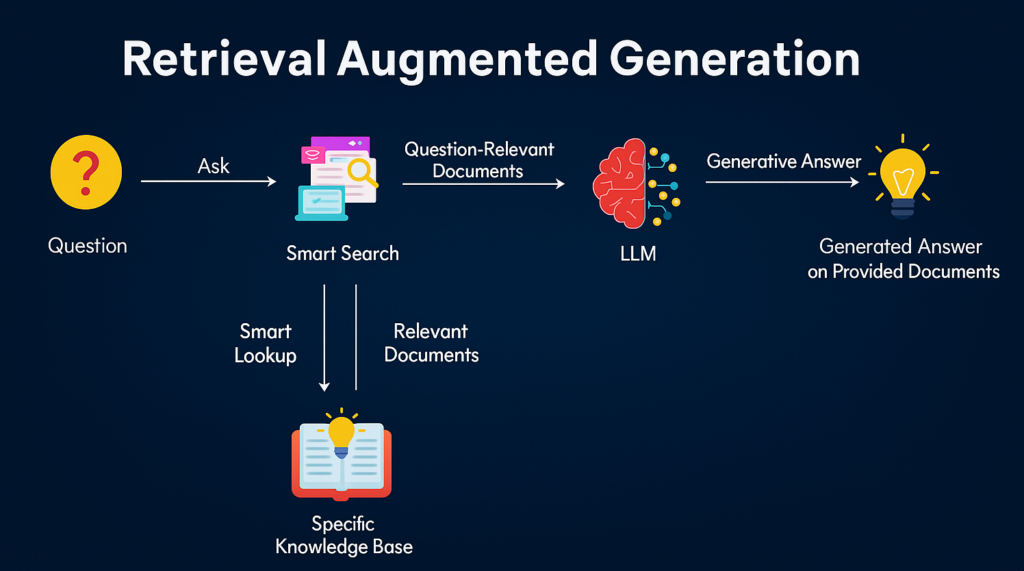
In this guide, you’ll understand how AI Mode works under the hood, what Google recommends explicitly (and what it doesn’t say out loud), and how to structure your content for retrieval augmented generation(RAG), across Google and the new class of LLM-native search engines.

1. From “Ten Blue Links” to a Web of AI Summaries

For decades, SEO meant chasing organic rankings. But in 2025, users expect a different experience: conversational, multimodal, and personalized. Google’s AI Mode, which rolled out U.S.-wide on May 20, 2025, doesn’t just augment results, it replaces traditional listings with AI-generated summaries that quote from multiple sources simultaneously.

This is not a Google-only story. Platforms like ChatGPT, Perplexity, and Gemini also synthesize content from across the web, using similar pipelines: chunking, embedding, retrieval, reranking, and LLM generation. Your content might be cited without ever earning a click, or worse, it may not be retrieved at all if it’s not semantically aligned.

AI Mode’s secret weapon is deep personalization: Google fuses data from Gmail, Calendar, Chrome, Maps, and YouTube to tailor summaries. The shift is clear: we’ve moved from “optimize for keywords” to “optimize for meaning.”

2. Google’s AI Mode: The Stack That Writes the Answers

Google’s AI Mode: The Stack That Writes the Answers

To demystify how your content is selected and quoted in AI Mode, here’s a breakdown of Google’s layered system, most of which is mirrored by other LLMs and is what RAG consists of:

LayerRoleHow it Works
BERT / T5Linguistic interpretersTranslate queries to understand intent and direction.
Vector EmbeddingsSemantic mapmakersPlace ideas in conceptual space; “jaguar” the car ≠ “jaguar” the animal.
ScaNN RetrievalUltra-fast content locatorsFetch the most semantically relevant chunks in milliseconds.
Hybrid RerankersRational judgesCombine keyword scores and semantic scores; pick the most coherent passage.
Gemini Flash/ProCreative summarizersCompose a humanlike response from many retrieved sources.

Google, OpenAI, and Perplexity all use a variation of this stack. The question is no longer, “Is my page ranking?”. It’s, “Is my content retrievable, relevant, and reusable in an AI summary?”

3. The AI Optimization Imperative: What Google (and Others) Recommend

Google’s own blueprint, published May 21, 2025, provides clarity, but with nuance. These principles aren’t just best practices for Google—they apply to any LLM-powered platform that retrieves and assembles answers.

✅ Do:

  • Create original, human-centric content – Generic rewrites vanish from summaries. Depth wins.
  • Ensure crawlability – Don’t accidentally block Google-Extended, GeminiBot, or GPTBot.
  • Optimize structure for readability – Use headings, schema, and direct answers.
  • Include rich media – Images and videos can appear in multimodal answers.
  • Use preview controls wisely – Overrestrictive snippet settings can remove you entirely.
  • Verify your structured data – If it misaligns with visible content, it may be ignored or penalized.

❌ Don’t:

  • Chase AI placement hacks – Prompt templates change daily.
  • Stuff with synonyms – Semantic distance matters more than density.
  • Block LLMs for “content protection” – You’ll be excluded from the answer graph.

Note: Traditional SERPs and classic SEO are not obsolete—but they are rapidly shrinking in importance. Many users will still browse organic results, especially for transactional queries. However, AI-generated responses, smart assistants, and multimodal summaries are becoming the default interface for information retrieval. SERPs now represent just one channel among many in the optimization landscape.

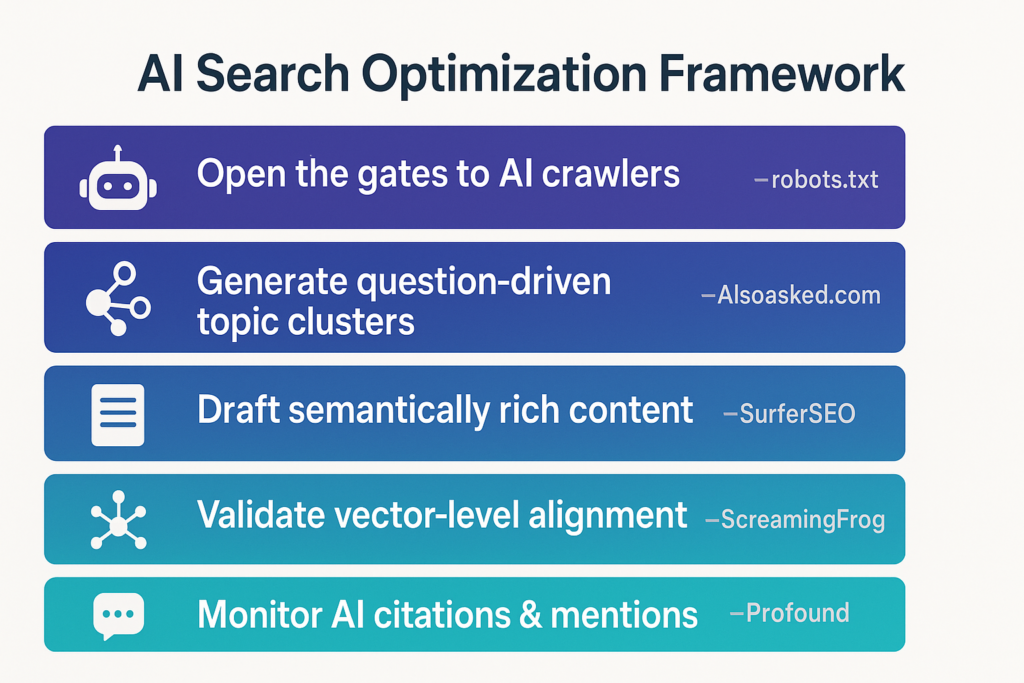
4. An AI-First Optimization Framework

An AI-First Optimization Framework

Below is the exact workflow our agency uses when auditing sites for AI Mode and LLM optimization. We’ve even specified tools that you can use at each stage purely for the education of the reader. This is not an endorsement and we have no affiliation with any of these brands:

Open the gates to AI crawlers

  • Audit robots.txt and server logs for Google-Extended, Google-LLM, GeminiBot, and GPTBot.
  • Remove legacy disallow rules on JS, CSS, or /api/ endpoints; AI models fetch full render trees.

Tool: logflare.app, openai.com/gptbot

Generate question-driven topic clusters to mimic “Query Fan-Out”

  • De-duplicate and cluster by user intent (how, why, cost, vs).
  • Prioritize clusters based on traffic opportunity and business value.

Tool: alsoasked.com

Draft semantically rich content

  • Begin each section with a concise 1–2 sentence direct answer (<80 words).
  • Support with original research, media, expert commentary.
  • Use H2/H3 subheads as natural language questions.

Tool: surferseo.com

Validate vector-level alignment

  • Embed draft paragraphs using OpenAI or TensorFlow.
  • Compute cosine similarity between your content and target queries.
  • Iterate until ≥ 0.85 similarity is achieved.

Tool: Screaming Frog SEO Spider v22.0

Monitor AI citations & mentions

  • Track when your URL appears in Google AI Overviews, Perplexity, ChatGPT, etc.
  • Set alerts for declines; rework and refresh passages accordingly.

Tool: tryprofound.com

5. Case Study Snapshot: A Cross-LLM Win

A health brand published an article titled “Are stainless steel bottles safe during pregnancy?” using this methodology:

  • Opened with a 70-word evidence-based answer.
  • Embedded lab-test data (image) and a 45-second expert video.
  • Verified 0.91 cosine similarity with key intent queries.
  • Appeared in Google AI Mode, Perplexity responses, and ChatGPT citations.
  • Result: 28% increase in time-on-site and a 17% higher cart-to-visit rate from AI referrals.

6. FAQ: What This Means for SEO

Is SEO dead?

No—but it’s evolving. Optimization now includes vector alignment, retrievability, and AI authority.

Do I need new pages just for AI Mode?
Not at all. Structuring your existing content with questions and direct answers serves both AI and human audiences.

What metrics matter now?
Track AI citations, retrieval frequency, and embedding scores. Legacy KPIs like CTR and bounce rate are secondary in zero-click environments.

7. Action Checklist (Print This)

✅ Allow GPTBot, GeminiBot, Google-Extended
✅ Refresh content clusters quarterly
✅ Lead each H2 with a sub-100-word answer
✅ Verify cosine similarity ≥ 0.85
✅ Track citations across ChatGPT, Perplexity, Google
✅ Validate structured data and crawlability
✅ Optimize for conversions and engagement—not vanity metrics

8. Final Thoughts

The AI era isn’t on the horizon, it’s here. AI Mode is becoming the standard lens for Google Search, and LLM-native discovery platforms are competing directly for user attention. Success now means thinking like a retrieval engine, not just a rank chaser.

Ready to thrive in this new landscape? Start with our AI Optimization Checklist, then audit your five highest-traffic pages using LLM-aware tools.

The future of search rewards those who are findable, quotable, and semantically aligned.

Why Is ROAS No Longer Enough in Google Ads? Here’s What to Do Instead

The world of Google Ads is changing. While ROAS—Return on Ad Spend—has been the go-to performance metric for years, savvy advertisers are now realizing its limitations. ROAS gives a narrow view of campaign efficiency, but it doesn’t tell the full story when it comes to profit, scale, or long-term growth. Today’s smart marketers are moving beyond this metric to embrace outcome-based strategies rooted in actual business value.

Key Takeaways

  • ROAS often masks the true profitability of campaigns
  • Smart Bidding now prioritizes real business results
  • Demand Gen campaigns reach customers across YouTube, Gmail, and Discover
  • AI is powering not just bidding—but creative and insights too
  • First-party data is now a strategic advantage
  • Strategic scaling wins over sudden budget spikes

Detailed Guide

What’s new in Google Ads?

Google has made major updates to streamline and empower campaign performance. Smart Bidding has been simplified—you now choose “Maximize Conversions” with optional Target CPA, or “Maximize Conversion Value” with optional Target ROAS. This means you’re optimizing for actual results, not micromanaging bid settings.

Demand Gen campaigns are another big leap. They replace Video Action campaigns and run across YouTube, Discover, and Gmail. These formats are built for both brand engagement and conversions, making them ideal for full-funnel strategies. AI also now supports you at every step—from writing headlines to discovering new keywords—giving you predictive power that helps you stay ahead of trends.

Why is ROAS misleading?

ROAS feels like a clear performance metric, but it’s often deceptive. Imagine two campaigns:

  • One spends $1,000/day at 2× ROAS, generating $30,000/month in profit
  • Another spends $100/day at 5× ROAS, but only nets $12,000/month

Which would you choose? The 5× ROAS might look better on paper, but the first campaign brings in over twice the profit. ROAS ignores volume and real economic impact. And that’s why it’s no longer enough.

What should you measure instead?

Start tracking POAS—Profit on Ad Spend. Unlike ROAS, POAS factors in cost of goods sold, transaction fees, and overhead. This gives you a more accurate view of how your ads are really performing. You can even push this data back into Google Ads using server-side tracking, helping the algorithm optimize based on what actually drives profit.

How should you think about attribution?

The buyer’s journey is no longer a straight line. People interact with your brand across devices and platforms before they buy. That’s why last-click attribution is outdated. Modern advertisers are moving to data-driven attribution through GA4. This lets you understand which touchpoints actually influence conversions and make better decisions across your entire funnel.

How do you use first-party data effectively?

With third-party cookies on the way out, your own customer data is more valuable than ever. Tap into your CRM and purchase history to build audience segments based on real buyer behavior. Then, use Google’s Customer Match and Enhanced Conversions to connect this data to your campaigns. This not only improves targeting but also boosts conversion rates significantly.

How important is creative strategy now?

With AI doing more of the heavy lifting behind the scenes, creative is one of your biggest competitive advantages. Dynamic creative testing lets you see which copy, visuals, and CTAs resonate with different segments. Messaging should be tailored—what works for cold leads probably won’t work for warm retargeting audiences. Winning ad creatives are intentional, not generic.

What role do Demand Gen campaigns play?

Demand Gen campaigns give you a unique way to build both brand and performance. They’re immersive, visual, and appear where people are most engaged—YouTube, Gmail, and Discover. These formats are great for building top-of-funnel awareness and generating remarketing audiences that are more likely to convert later. They’re not just about clicks; they’re about presence.

How do you scale effectively?

Many brands rush to increase budgets once they see success—but that can backfire. Controlled scaling is a smarter approach. Increase your ad budget by no more than 20% every 3–5 days. Use Google’s campaign experiments to test changes before committing fully. Try new geos or devices to tap into fresh audiences. Smart scaling is strategic, not reactive.

A Simple Comparison That Says It All

Let’s look at two scenarios:

Scenario A

  • 2× ROAS
  • $1,000/day ad spend
  • $60,000 monthly revenue
  • 50% margin = $30,000 profit

Scenario B

  • 5× ROAS
  • $100/day ad spend
  • $15,000 monthly revenue
  • 80% margin = $12,000 profit

Even with a lower ROAS, Scenario A generates more than twice the profit. That’s why volume and context matter far more than a single efficiency ratio.

FAQs

What does POAS mean in digital advertising?
POAS stands for Profit on Ad Spend. It’s a smarter metric that factors in your costs to reveal true campaign profitability.

How do I implement POAS in Google Ads?
Use server-side tracking or offline conversion uploads to send profit-per-transaction data back into Google Ads for better optimization.

Are Demand Gen campaigns worth it?
Yes. They’re highly effective for reaching new users and warming them up for conversion with immersive, cross-channel engagement.

Can I still scale if I have a small budget?
Absolutely. Just scale slowly and watch key metrics closely. Start with controlled experiments before rolling changes out broadly.

Checklist

  • Move from ROAS to POAS for better insights
  • Simplify Smart Bidding strategy
  • Launch a Demand Gen campaign for top-of-funnel reach
  • Sync your CRM data using Customer Match
  • Test creative variations regularly
  • Use GA4 to move beyond last-click attribution
  • Scale budget in controlled, data-driven steps

Final Thoughts

Google Ads success today requires more than chasing high ROAS. It requires thinking strategically—measuring profit, understanding the customer journey, and scaling sustainably. Automation has taken care of the mechanics. Now, your job is to align data, creative, and business outcomes. When you focus on the metrics that actually drive growth, you’re not just managing campaigns—you’re building a business.

Forget vanity metrics. Focus on real profitability. Your bottom line will thank you.

How do modern AI search engines and LLMs operate and how do you optimize for them?

This isn’t 2015 anymore, yet some SEO “experts” are still clinging to tactics like they’re waiting for Windows 7 to make a comeback. Modern AI-powered search engines and large language models (LLMs) leverage Retrieval-Augmented Generation (RAG) to combine external data retrieval with text generation, ensuring answers are both current and contextually accurate. By performing a real-time search of trusted documents before crafting a response, these systems mitigate outdated training data and “hallucinations.” To optimize for them, create clear, structured content with up-to-date citations, conversational Q&A headings, and appropriate schema markup, so AI retrieval steps can easily identify and quote your material.

Key Takeaways

      • RAG enables AI to fetch and ground answers in fresh, external sources.

      • Structured Q&A headings and bullet points improve AI snippet retrieval.

      • Embedding authoritative, date-stamped references boosts trust signals.

      • Conversational phrasing and varied keywords aid vector-based matching.

      • Schema markup (FAQPage, HowTo) helps AI isolate self-contained snippets.

      • Off-page promotion can still surface in AI searches.

      • Optimizing content for RAG-driven AI results increases probability to appear in AI summaries and chatbot responses, giving you traffic that static search rankings might miss.

    Detailed Guide

    What is Retrieval-Augmented Generation (RAG) in simple terms?

    retrieval augmented generation

    Retrieval-Augmented Generation (RAG) is a hybrid AI workflow that enhances language models by letting them “look up” relevant documents at query time, rather than relying solely on what they learned during pretraining. Imagine asking a librarian to fetch the latest journal article before answering your question; RAG works similarly. Except this librarian is more like Alexa or Siri than your stereotypical Miss Finster.

    When you submit a query, the system first searches an external data source, such as a website index, a private knowledge base, or a specialized dataset of academic papers, for pertinent passages. Then, it feeds those retrieved snippets into the LLM as additional context, guiding the generative process so the answer is grounded in factual, up-to-date material. This approach addresses two major limitations of standard LLMs: information cutoff dates and the risk of “hallucinations,” where the model invents plausible-sounding but incorrect details.

    How does the retrieval phase work?

        1. User Query Submission
          You ask a question—e.g., “What are the 2025 tax deadlines for small businesses in Texas?” The RAG-enabled system takes this natural-language query as input.

        1. External Search
          Instead of directly generating an answer from pretraining data, the system performs a search against an external document collection, which could be a public web index, a company’s internal file repository, or a specialized dataset of academic papers (AWS, 2024; WEKA, 2025).

        1. Result Ranking
          Retrieved documents or text snippets are ranked by relevance using vector similarity, which transforms both the query and documents into numerical embeddings, or traditional keyword-based matching. The top N results (often broken into smaller “chunks” of text) are selected based on how closely they align with the user’s question.

        1. Outcome
          At the end of this phase, the system holds a set of highly relevant, often date-stamped passages that directly address the query.

      How does the augmentation and generation phase work?

          1. Context Assembly

        The RAG engine takes the top-ranked snippets—sometimes as short as a few sentences each—and concatenates them with the original user query. This assembled context is fed into the LLM.

            1. Guided Response Generation

          Rather than “freewriting” from its pretraining knowledge, the LLM now “reads” the assembled context and composes an answer that weaves together facts from the retrieved snippets with its own linguistic patterns. It essentially uses the retrieved passages as anchors, ensuring that every factual statement can be traced back to a specific external source.

              1. Optional Citation Insertion

            Some RAG implementations explicitly insert inline citations or footnotes, indicating which document or page each fact originates from. This enhances transparency and credibility, especially in domains like healthcare or legal research.

                1. Outcome

              The final output is a coherent, conversational response that is both fluent and verifiably sourced—reducing the likelihood of “hallucinations”.

              Why does RAG matter?

                  • Accuracy and Currency

                Because RAG fetches fresh data at query time, it can provide up-to-the-minute answers—even if the underlying LLM was last trained months or years ago. For example, a healthcare AI using RAG can retrieve the latest CDC guidelines before generating a recommendation, rather than relying on outdated training data.

                    • Reduced Hallucinations

                  By grounding responses in concrete, external sources, RAG dramatically lowers the risk of fabricated or misleading information. When users see inline citations, trust in AI-generated answers increases.

                      • Domain Specialization

                    Organizations can connect RAG systems to highly specialized knowledge bases—like a law firm’s case archives or a manufacturer’s product specs—without retraining the LLM. The AI becomes an expert in that domain simply by accessing the right repository at query time.

                        • Cost Efficiency

                      Instead of fine-tuning a massive LLM every time new information is added, you update the external datastore. This “decoupling” of model training from content updates is faster, cheaper, and more scalable—especially for companies that produce time-sensitive reports or whitepapers.

                          • Competitive Differentiation

                        As Google’s “AI Mode” is rolled out on a more massive scale, organizations that optimize for RAG-driven visibility gain a strategic edge. Their content is more likely to be surfaced in AI-generated summaries and chatbot answers, capturing traffic that might otherwise bypass static search engine results.

                        How to optimize content for RAG-driven AI search engines?

                        Google EEAT

                        Optimizing for RAG workflows means ensuring your content is structured, authoritative, and easy for retrieval algorithms to pinpoint. Below are actionable tactics:

                        1. Craft Clear, Structured, Answer-Focused Content

                        AI retrieval steps look for self-contained “snippets” that directly match user queries. Use semantic headings for primary sections so AI bots can isolate exact sections to quote. Begin each section with a concise answer.

                        For example:

                        How to File Sales Tax in California (2025 Update)

                        As of June 2025, all California small businesses must file sales tax returns by the 15th of each month. Refer to the California Department of Tax and Fee Administration website for exact forms.

                            • Use bullet lists and numbered steps for procedures to enhance snippet eligibility.

                            • Include a “TL;DR” summary at the top of long articles so RAG systems can grab that concise overview.

                          2. Embed Up-to-Date, Authoritative References

                          RAG systems ground their output in trusted documents. Pages that cite reputable, recent sources—such as government websites, peer-reviewed journals, or industry white papers—signal higher trustworthiness.

                              • Link to the latest guidelines or studies with a clear “Last Updated” date.

                              • Regularly audit and update publication dates to maintain freshness, benefiting both human readers and AI bots.

                            Example:
                            “According to the CDC’s May 2025 update on COVID-19 guidelines, mask mandates for healthcare workers in high-risk settings remain in effect (CDC, May 2025).”

                            3. Use Conversational Phrasing and Natural-Language Keywords

                            RAG retrieval often relies on vector-based similarity, matching semantic meaning rather than exact keywords. Write headings as questions users would ask—e.g., “What Are the 2025 Tax Deadlines for Freelancers in Texas?”—and follow with an immediate, concise answer.

                                • Include synonyms and related terms, such as “self-employed tax due dates” and “independent contractor tax deadlines,” to create multiple semantic entry points.

                                • Adopt a conversational tone so your content aligns with how AI systems interpret queries, boosting retrieval probability.

                              4. Leverage Schema Markup and FAQ/HowTo Blocks

                              Structured data markup—like FAQ Page or How To schema—helps AI crawlers precisely identify Q&A pairs and step-by-step instructions.

                                  • Wrap each Q&A pair in FAQ Page JSON-LD so RAG systems know these are self-contained snippets.

                                  • Use How To schema for multi-step guides, clearly delineating each step.

                                When Google’s AI Mode or other RAG-enabled platforms crawl your page, they can directly parse these structured blocks without scanning raw text.

                                5. Build Topical Authority and Maintain a Clean Technical Foundation

                                RAG systems prefer content from authoritative domains with strong topical clusters.

                                    • Publish comprehensive guides that interlink subtopics, demonstrating subject-matter depth.

                                    • Acquire backlinks from reputable industry publications—these act as trust signals in both traditional SEO and AI retrieval scoring.

                                    • Optimize technical SEO: ensure fast page load times, mobile responsiveness, secure HTTPS hosting, and accurate XML sitemaps so crawlers can index every relevant page.

                                  Tip: Use tools like Google Search Console to verify your sitemap and crawling status. If pages are excluded, AI retrieval systems won’t be able to find your snippets, regardless of content quality.

                                  6. Monitor and Adapt to AI Search Analytics

                                  Once your content is live, track AI-driven search performance via analytics platforms that show which snippets are being cited in chatbot outputs or AI summaries.

                                      • Review query logs to identify gaps and update content accordingly.

                                      • Refresh your knowledge base and schema markup periodically to keep pace with algorithmic changes.

                                    By treating optimization as an ongoing process rather than a one-time project, you ensure continual visibility in evolving RAG-driven ecosystems.

                                    7. Incorporate Off-Page SEO And PR Tactics for AI Visibility

                                    Traditional digital PR often promoted press releases, link-building or aggressive directory submissions. In certain AI search contexts, off-page tactics, like creating press releases or being cited on article directories, can cause RAG systems to index multiple instances of your content, increasing the likelihood of snippet selection.

                                    In my short YouTube video, I demonstrate how these tactics, some of which may be called “spammy”, can boost visibility in AI-based searches by flooding the retrieval index with relevant signals. While this approach carries risks in traditional SERPs, it can yield surprisingly effective results in AI-driven environments—so long as you monitor for negative user feedback or credibility issues.

                                    FAQs

                                    What is the difference between RAG and a standard LLM response?

                                    A standard LLM generates answers based solely on its pretraining data, which may be outdated if trained months ago. RAG, by contrast, performs a real-time search of external documents before generating an answer, ensuring the information is up-to-date and grounded in factual sources.

                                    Can I use RAG to search proprietary company files?

                                    Yes. By connecting a RAG-enabled system to your internal knowledge base—such as a SharePoint repository or a private document store—your organization can get highly specialized answers rooted in proprietary data without retraining the entire model.

                                    How do schema markup and structured data help AI retrieval?

                                    Schema markup like FAQ Page or How To tells AI crawlers exactly where Q&A pairs and step-by-step instructions begin and end, so retrieval engines can extract self-contained snippets without scanning the entire page. This increases the chances of your content being quoted verbatim in AI-generated summaries.

                                    Checklist

                                        • Identify and segment core Q&A snippets with clear semantic headings.

                                        • Embed date-stamped, authoritative citations (e.g., government or peer-reviewed).

                                        • Use conversational, question-style headings and varied synonyms.

                                        • Apply FAQ Page or How To schema markup around structured content.

                                        • Ensure fast load times, mobile optimization, and valid XML sitemaps.

                                        • Monitor AI search analytics to track snippet performance and update.

                                        • Experiment with off-page snippet postings; measure AI retrieval impact.

                                      Brief Summary and Conclusion

                                      Modern AI search engines and LLMs harness RAG workflows to merge external data retrieval with text generation, often producing answers that are highly accurate and current. By structuring content with clear semantic headings, embedding up-to-date citations, using natural-language Q&A phrasing, and applying FAQ Page or How To schema, you make it easier for AI retrieval to spot—and quote—your material without resorting to a virtual game of hide-and-seek. 

                                      Building topical authority, maintaining strong technical SEO, and even testing off-page snippet tactics can further boost your visibility in AI-driven searches. As AI search evolves, continually monitoring and adapting your strategy will be crucial for long-term success in the RAG-powered landscape.

                                      How do you optimize for Google’s new AI‑Mode answer summaries?

                                      Google now runs two separate generative‑AI surfaces inside Search: AI Overviews (a quick snapshot embedded in the classic results page) and AI‑Mode (a standalone, Gemini‑powered tab that behaves more like a research assistant). To earn citations in either, you still need strong ranking signals, iron‑clad E‑E‑A‑T and snippet‑ready prose, yet the tactics differ enough that you must optimise for both layers.

                                      Key Takeaways

                                      • AI OverviewsAI‑Mode. Overviews are inline snapshots; AI‑Mode is an opt‑in, dedicated search mode with deeper follow‑ups.
                                      • Overviews appear automatically when Google’s systems deem a query complex enough and safe; AI‑Mode is user‑initiated via a new AI tab.
                                      • Ranking top‑10 still matters—Overviews pull from high‑ranking, verified documents first.
                                      • Put a 60‑–80‑word hero answer under every H1 to maximise extractability.
                                      • E‑E‑A‑T + freshness remains the admission ticket for both layers.
                                      • Expect CTR to fall on Overview queries; offset with branding and lead magnets.

                                      Detailed Guide

                                      1. How do AI Overviews and AI‑Mode actually differ in 2025?

                                      Feature AI Overviews (inline) AI‑Mode (standalone)
                                      Launch timeline US rollout May 14 2024 → 100+ countries Oct 2024  US mass rollout May 20 2025 after Labs testing 
                                      Interface Appears above organic links inside standard SERP; collapsible; cites sources as chips Separate AI tab or toggle; full‑screen conversational UI; shows citations plus follow‑up prompts
                                      Use‑case Quick snapshot for moderately complex “how/why” questions Deep research, multi‑step planning, agentic tasks (e.g., buying tickets, data comparisons)
                                      Trigger Automatic—requires query to meet content‑safety + complexity thresholds Manual—user selects AI‑Mode; no popularity threshold
                                      Model Gemini 2.x tuned for latency Custom Gemini 2.5 with query fan‑out + Deep Search

                                      Why it matters: Overviews reward concise clarity; AI‑Mode rewards depth and interactivity.Optimise pages to satisfy both in one pass: lead with a distilled answer, then dive deep.

                                      How do AI Overviews and AI‑Mode actually differ in 2025

                                      2. When does Google show an AI Overview?

                                      Google has never published exact numbers, but data from SE Ranking and Search Engine Land suggest that queries need both sufficient search volume and a level of informational complexity.

                                      Guideline: Pages that already rank for queries with ≥100 monthly US impressions and 8‑plus words are far more likely to trigger an Overview.

                                      What This Means for SEO & Content Strategy

                                      SEO Moves

                                      1. Track impression‑heavy question keywords in Search Console.
                                      2. Consolidate overlapping articles—one URL per FAQ.
                                      3. Refresh answers quarterly to keep Overview eligibility.

                                      3. Crafting the hero answer—your 80‑word golden ticket

                                      A well‑formed hero paragraph can surface in both Overviews and the first AI‑Mode answer.

                                      • Length: 60–80 words, two sentences max.
                                      • Structure: statement → key fact → source cue (stat/name).
                                      • Branding: mention brand once in first clause.
                                      • Location: immediately after H1, above any images or ads.
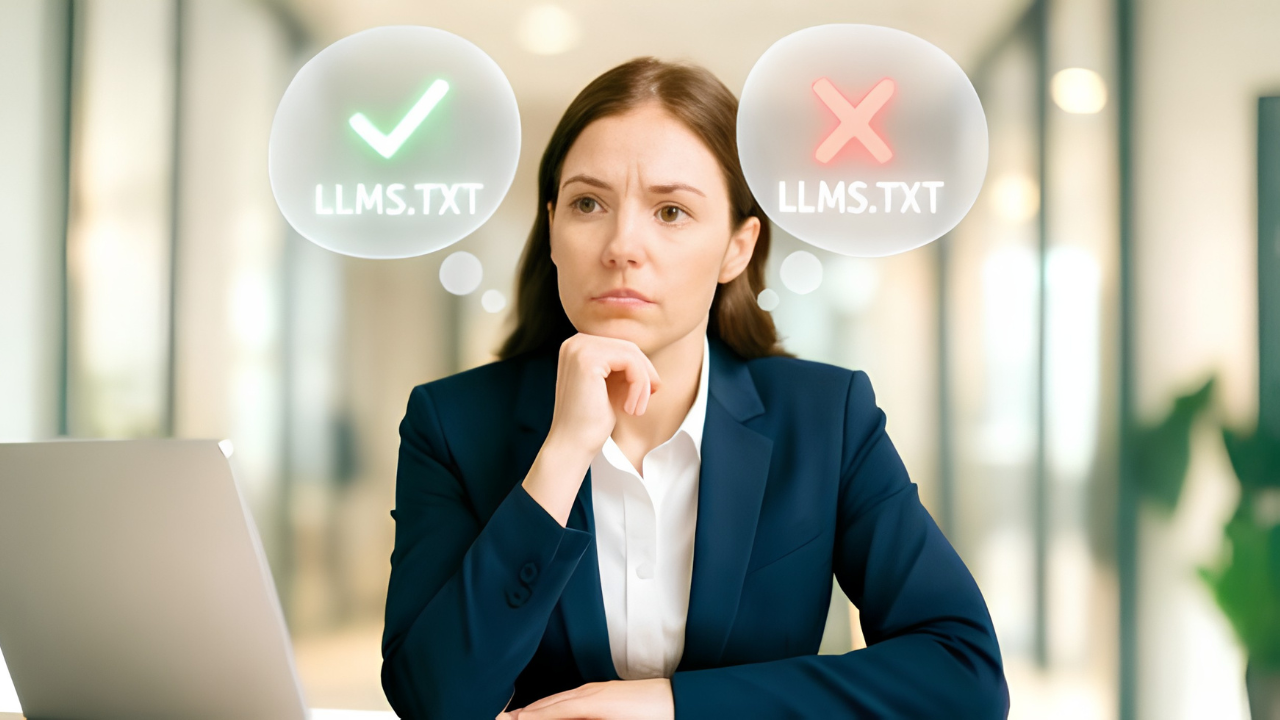
                                      Copy hack: Draft two variants (60 w & 80 w) and alternate every 14 days to compare CTR. 

                                      4. Two‑phase summarisation still underpins both layers

                                      Google’s 2024 patent describes an espresso (fast) and slow‑brew (deep) retrieval loop Overviews rely mostly on espresso; AI‑Mode can wait for slow‑brew and even expand with Deep Search, issuing hundreds of sub‑queries.

                                      5. Verification signals—earning the invite
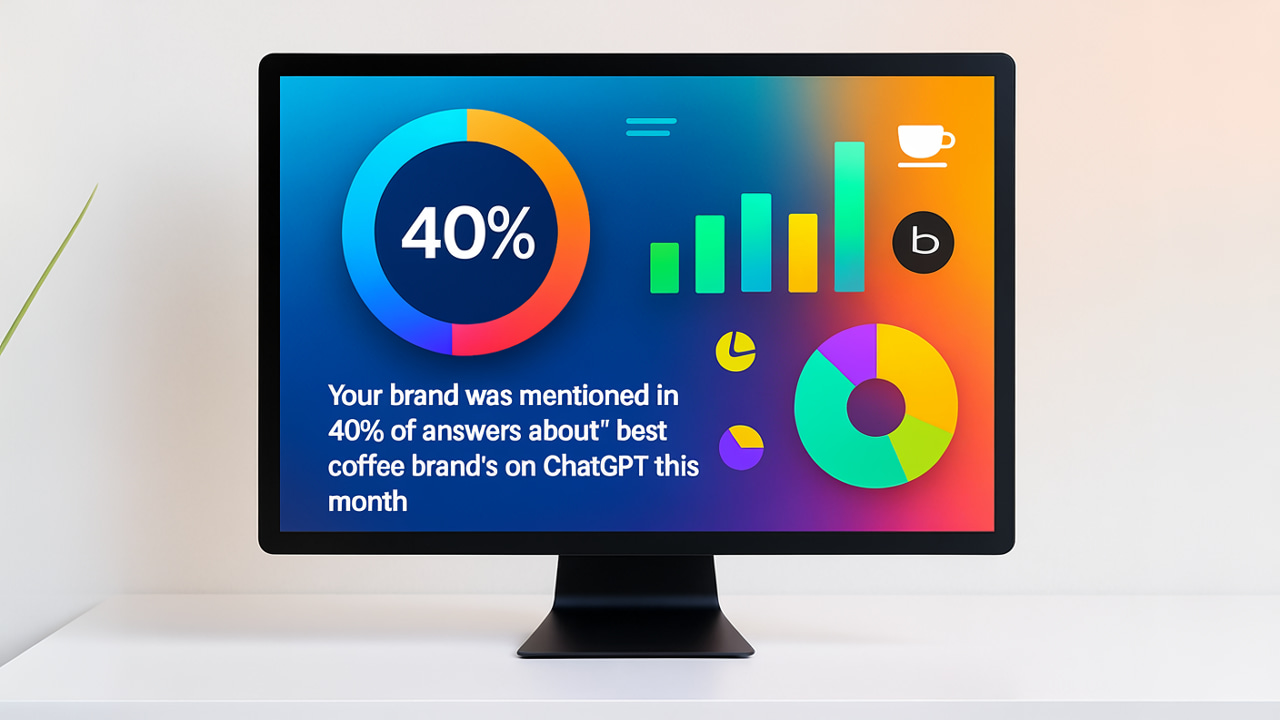
                                      Both systems filter the candidate set to verified documents before prompting the model. Signals include:

                                      1. Authorship credentials with professional links.
                                      2. Citations to primary research (government, peer‑reviewed, corporate filings).
                                      3. Structured dataArticle, FAQPage, HowTo, FactCheck.
                                      4. Fresh timestamps and frequent updates for YMYL topics.
                                      5. Fast Core Web Vitals (LCP < 2.5 s; INP < 200 ms).

                                      6. Snippet engineering—teaching robots to skim

                                      Robots skim like distracted humans. Help them:

                                      • ≤ 3‑sentence paragraphs; no walls of text.
                                      • Bullet or numbered lists for steps.
                                      • Definition call‑outs (> blockquote or styled div).
                                      • Question‑form headings to mirror Google’s reformulation: “How does…”

                                      7. Technical hygiene—speed still kills eligibility

                                      Even the smartest model aborts slow pages:

                                      • LCP < 2.5 s (espresso cut‑off).
                                      • INP < 200 ms.
                                      • Serve images in AVIF/WebP and lazy‑load below the fold.

                                      8. Branding inside the snippet—CTR insurance

                                      Because Overviews often satisfy intent without a click, brand recall is your safety net:

                                      1. Put brand in the first 50 characters of <title>.
                                      2. Use a distinctive favicon.
                                      3. Embed a next‑step teaser (“Download the checklist”) below the hero paragraph.

                                      9. Measuring success across both layers

                                      Metric Overviews AI‑Mode Target
                                      Impressions vs. Clicks ▼ CTR N/A* Monitor 30‑day delta
                                      Branded search volume ↑ if citations recall brand ↑ via deeper engagement +5 % YoY
                                      Scroll depth & dwell time Standard Longer sessions ≥ 90 s
                                      Assisted conversions Post‑click purchases Research assist → return Attribute multi‑touch

                                      *AI‑Mode traffic logs separately in Search Console’s AI tab (beta).

                                      10. Pitfalls to avoid

                                      • Burying answers under anecdotes
                                      • Splitting one FAQ across multiple URLs
                                      • Out‑of‑date stats (Overviews drop stale pages fast)
                                      • Ignoring long‑tail queries that still deliver clean clicks

                                      Example / Template

                                      <!– 74‑word hero snippet under H1 –>

                                      <p>Google’s AI‑Mode shows a fully cited answer in its dedicated tab, while AI Overviews

                                      surfaces a concise snapshot above organic links. Rank in the top‑10, write a

                                      60–80‑word solution here, and back it with expert citations to earn both source

                                      chips.</p>

                                      FAQs

                                      Will AI‑Mode kill my CTR?

                                      AI‑Mode sits behind a tab, so only sessions where users opt in bypass organic links entirely. AI Overviews is the bigger CTR threat, trimming clicks by 10‑25 % on affected queries. Mitigate via branded teasers and interactive assets.

                                      Is schema markup still worth the effort?

                                      Yes—FAQPage, HowTo, and FactCheck schema mirror the AI layers’ Q&A structure, accelerate verification, and can trigger rich snippets when no AI answer shows.

                                      Does AI‑Mode penalise affiliate sites?

                                      No direct penalty, but thin, boiler‑plate reviews rarely count as verified. Add first‑hand photos, test data and disclosure labels.

                                      Can I opt out of AI answers?

                                      No. Blocking Googlebot removes you from Search entirely. Instead, lean in—optimise hero snippets, strengthen branding, and turn AI citations into authority signals.

                                      Ten‑Point Action Checklist

                                      • Audit recurring FAQs and rankings.
                                      • Write 60‑80‑word hero paragraphs.
                                      • Add author credentials, citations, fact‑check schema.
                                      • Use question‑form H2/H3s.
                                      • Break answers into ≤ 3 sentences & lists.
                                      • Hit LCP < 2.5 s, INP < 200 ms.
                                      • Build expert backlinks.
                                      • Monitor AI citations and AI‑Mode sessions.
                                      • Refresh content quarterly (monthly for YMYL).
                                      • Track impressions, brand queries, conversions.