The New State of Search in 2025 and Beyond: Optimizing for AI Mode and LLM Discovery

If you’ve felt whiplash from Google’s nonstop updates: AI Overviews, generative snippets, and now the full rollout of AI Mode into core results, you’re not imagining it. Search is undergoing its most radical transformation since the birth of PageRank. And the implications extend far beyond Google. In a world where LLMs like ChatGPT, Perplexity, and Claude are actively retrieving, reasoning, and rewriting content, visibility is no longer measured in blue links.

In this guide, you’ll understand how AI Mode works under the hood, what Google recommends explicitly (and what it doesn’t say out loud), and how to structure your content for retrieval augmented generation(RAG), across Google and the new class of LLM-native search engines.

1. From “Ten Blue Links” to a Web of AI Summaries

For decades, SEO meant chasing organic rankings. But in 2025, users expect a different experience: conversational, multimodal, and personalized. Google’s AI Mode, which rolled out U.S.-wide on May 20, 2025, doesn’t just augment results, it replaces traditional listings with AI-generated summaries that quote from multiple sources simultaneously.

This is not a Google-only story. Platforms like ChatGPT, Perplexity, and Gemini also synthesize content from across the web, using similar pipelines: chunking, embedding, retrieval, reranking, and LLM generation. Your content might be cited without ever earning a click, or worse, it may not be retrieved at all if it’s not semantically aligned.

AI Mode’s secret weapon is deep personalization: Google fuses data from Gmail, Calendar, Chrome, Maps, and YouTube to tailor summaries. The shift is clear: we’ve moved from “optimize for keywords” to “optimize for meaning.”

2. Google’s AI Mode: The Stack That Writes the Answers
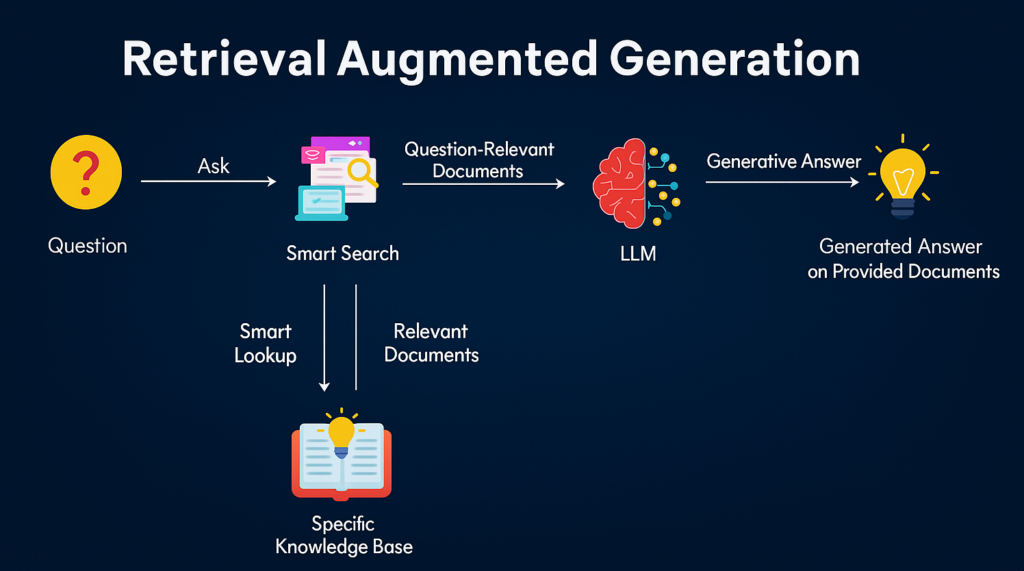
Google’s AI Mode: The Stack That Writes the Answers

To demystify how your content is selected and quoted in AI Mode, here’s a breakdown of Google’s layered system, most of which is mirrored by other LLMs and is what RAG consists of:

LayerRoleHow it Works
BERT / T5Linguistic interpretersTranslate queries to understand intent and direction.
Vector EmbeddingsSemantic mapmakersPlace ideas in conceptual space; “jaguar” the car ≠ “jaguar” the animal.
ScaNN RetrievalUltra-fast content locatorsFetch the most semantically relevant chunks in milliseconds.
Hybrid RerankersRational judgesCombine keyword scores and semantic scores; pick the most coherent passage.
Gemini Flash/ProCreative summarizersCompose a humanlike response from many retrieved sources.

Google, OpenAI, and Perplexity all use a variation of this stack. The question is no longer, “Is my page ranking?”. It’s, “Is my content retrievable, relevant, and reusable in an AI summary?”

3. The AI Optimization Imperative: What Google (and Others) Recommend

Google’s own blueprint, published May 21, 2025, provides clarity, but with nuance. These principles aren’t just best practices for Google—they apply to any LLM-powered platform that retrieves and assembles answers.

✅ Do:

  • Create original, human-centric content – Generic rewrites vanish from summaries. Depth wins.
  • Ensure crawlability – Don’t accidentally block Google-Extended, GeminiBot, or GPTBot.
  • Optimize structure for readability – Use headings, schema, and direct answers.
  • Include rich media – Images and videos can appear in multimodal answers.
  • Use preview controls wisely – Overrestrictive snippet settings can remove you entirely.
  • Verify your structured data – If it misaligns with visible content, it may be ignored or penalized.

❌ Don’t:

  • Chase AI placement hacks – Prompt templates change daily.
  • Stuff with synonyms – Semantic distance matters more than density.
  • Block LLMs for “content protection” – You’ll be excluded from the answer graph.

Note: Traditional SERPs and classic SEO are not obsolete—but they are rapidly shrinking in importance. Many users will still browse organic results, especially for transactional queries. However, AI-generated responses, smart assistants, and multimodal summaries are becoming the default interface for information retrieval. SERPs now represent just one channel among many in the optimization landscape.

4. An AI-First Optimization Framework
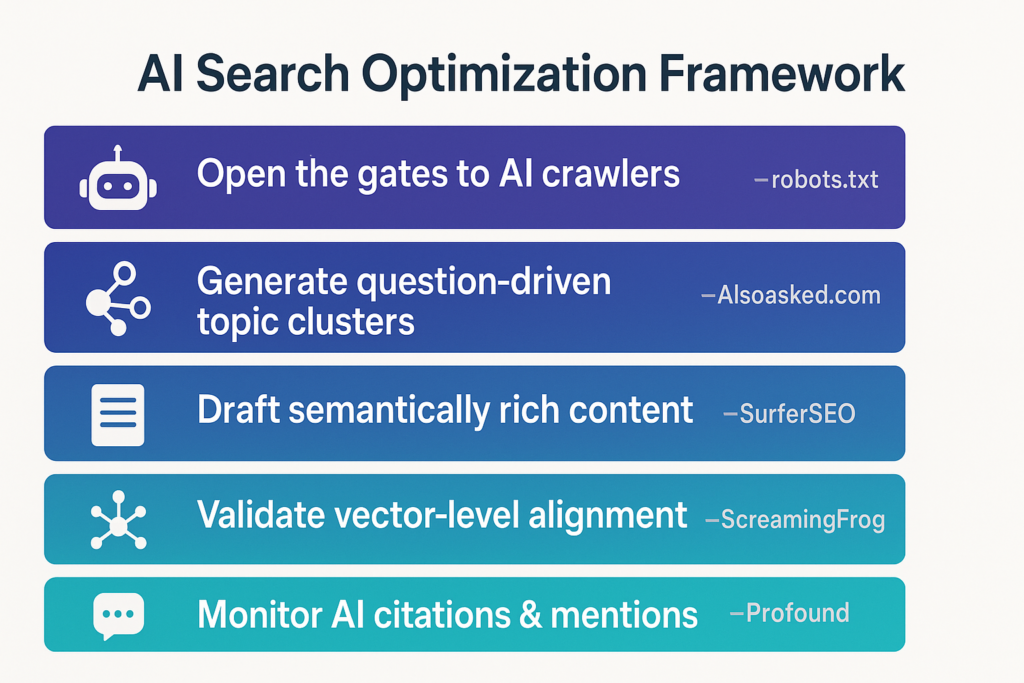
An AI-First Optimization Framework

Below is the exact workflow our agency uses when auditing sites for AI Mode and LLM optimization. We’ve even specified tools that you can use at each stage purely for the education of the reader. This is not an endorsement and we have no affiliation with any of these brands:

Open the gates to AI crawlers

  • Audit robots.txt and server logs for Google-Extended, Google-LLM, GeminiBot, and GPTBot.
  • Remove legacy disallow rules on JS, CSS, or /api/ endpoints; AI models fetch full render trees.

Tool: logflare.app, openai.com/gptbot

Generate question-driven topic clusters to mimic “Query Fan-Out”

  • De-duplicate and cluster by user intent (how, why, cost, vs).
  • Prioritize clusters based on traffic opportunity and business value.

Tool: alsoasked.com

Draft semantically rich content

  • Begin each section with a concise 1–2 sentence direct answer (<80 words).
  • Support with original research, media, expert commentary.
  • Use H2/H3 subheads as natural language questions.

Tool: surferseo.com

Validate vector-level alignment

  • Embed draft paragraphs using OpenAI or TensorFlow.
  • Compute cosine similarity between your content and target queries.
  • Iterate until ≥ 0.85 similarity is achieved.

Tool: Screaming Frog SEO Spider v22.0

Monitor AI citations & mentions

  • Track when your URL appears in Google AI Overviews, Perplexity, ChatGPT, etc.
  • Set alerts for declines; rework and refresh passages accordingly.

Tool: tryprofound.com

5. Case Study Snapshot: A Cross-LLM Win

A health brand published an article titled “Are stainless steel bottles safe during pregnancy?” using this methodology:

  • Opened with a 70-word evidence-based answer.
  • Embedded lab-test data (image) and a 45-second expert video.
  • Verified 0.91 cosine similarity with key intent queries.
  • Appeared in Google AI Mode, Perplexity responses, and ChatGPT citations.
  • Result: 28% increase in time-on-site and a 17% higher cart-to-visit rate from AI referrals.

6. FAQ: What This Means for SEO

Is SEO dead?

No—but it’s evolving. Optimization now includes vector alignment, retrievability, and AI authority.

Do I need new pages just for AI Mode?
Not at all. Structuring your existing content with questions and direct answers serves both AI and human audiences.

What metrics matter now?
Track AI citations, retrieval frequency, and embedding scores. Legacy KPIs like CTR and bounce rate are secondary in zero-click environments.

7. Action Checklist (Print This)

✅ Allow GPTBot, GeminiBot, Google-Extended
✅ Refresh content clusters quarterly
✅ Lead each H2 with a sub-100-word answer
✅ Verify cosine similarity ≥ 0.85
✅ Track citations across ChatGPT, Perplexity, Google
✅ Validate structured data and crawlability
✅ Optimize for conversions and engagement—not vanity metrics

8. Final Thoughts

The AI era isn’t on the horizon, it’s here. AI Mode is becoming the standard lens for Google Search, and LLM-native discovery platforms are competing directly for user attention. Success now means thinking like a retrieval engine, not just a rank chaser.

Ready to thrive in this new landscape? Start with our AI Optimization Checklist, then audit your five highest-traffic pages using LLM-aware tools.

The future of search rewards those who are findable, quotable, and semantically aligned.

How do modern AI search engines and LLMs operate and how do you optimize for them?

This isn’t 2015 anymore, yet some SEO “experts” are still clinging to tactics like they’re waiting for Windows 7 to make a comeback. Modern AI-powered search engines and large language models (LLMs) leverage Retrieval-Augmented Generation (RAG) to combine external data retrieval with text generation, ensuring answers are both current and contextually accurate. By performing a real-time search of trusted documents before crafting a response, these systems mitigate outdated training data and “hallucinations.” To optimize for them, create clear, structured content with up-to-date citations, conversational Q&A headings, and appropriate schema markup, so AI retrieval steps can easily identify and quote your material.

Key Takeaways

      • RAG enables AI to fetch and ground answers in fresh, external sources.

      • Structured Q&A headings and bullet points improve AI snippet retrieval.

      • Embedding authoritative, date-stamped references boosts trust signals.

      • Conversational phrasing and varied keywords aid vector-based matching.

      • Schema markup (FAQPage, HowTo) helps AI isolate self-contained snippets.

      • Off-page promotion can still surface in AI searches.

      • Optimizing content for RAG-driven AI results increases probability to appear in AI summaries and chatbot responses, giving you traffic that static search rankings might miss.

    Detailed Guide

    What is Retrieval-Augmented Generation (RAG) in simple terms?

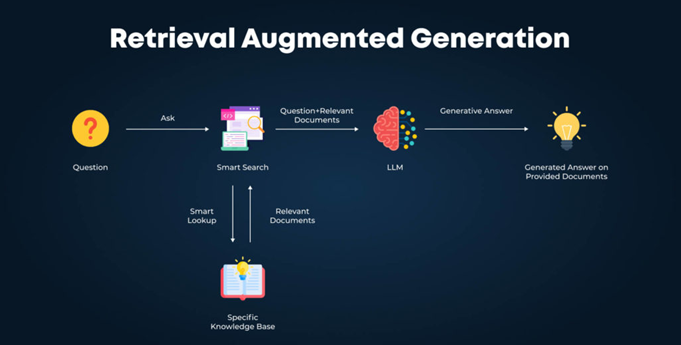
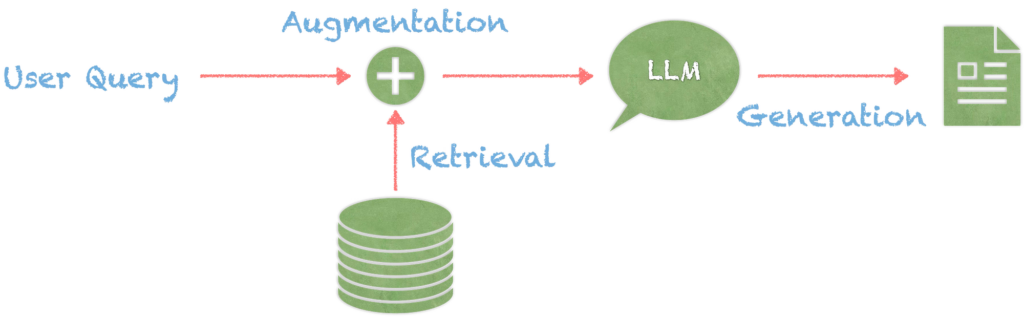
    retrieval augmented generation

    Retrieval-Augmented Generation (RAG) is a hybrid AI workflow that enhances language models by letting them “look up” relevant documents at query time, rather than relying solely on what they learned during pretraining. Imagine asking a librarian to fetch the latest journal article before answering your question; RAG works similarly. Except this librarian is more like Alexa or Siri than your stereotypical Miss Finster.

    When you submit a query, the system first searches an external data source, such as a website index, a private knowledge base, or a specialized dataset of academic papers, for pertinent passages. Then, it feeds those retrieved snippets into the LLM as additional context, guiding the generative process so the answer is grounded in factual, up-to-date material. This approach addresses two major limitations of standard LLMs: information cutoff dates and the risk of “hallucinations,” where the model invents plausible-sounding but incorrect details.

    How does the retrieval phase work?

        1. User Query Submission
          You ask a question—e.g., “What are the 2025 tax deadlines for small businesses in Texas?” The RAG-enabled system takes this natural-language query as input.

        1. External Search
          Instead of directly generating an answer from pretraining data, the system performs a search against an external document collection, which could be a public web index, a company’s internal file repository, or a specialized dataset of academic papers (AWS, 2024; WEKA, 2025).

        1. Result Ranking
          Retrieved documents or text snippets are ranked by relevance using vector similarity, which transforms both the query and documents into numerical embeddings, or traditional keyword-based matching. The top N results (often broken into smaller “chunks” of text) are selected based on how closely they align with the user’s question.

        1. Outcome
          At the end of this phase, the system holds a set of highly relevant, often date-stamped passages that directly address the query.

      How does the augmentation and generation phase work?

          1. Context Assembly

        The RAG engine takes the top-ranked snippets—sometimes as short as a few sentences each—and concatenates them with the original user query. This assembled context is fed into the LLM.

            1. Guided Response Generation

          Rather than “freewriting” from its pretraining knowledge, the LLM now “reads” the assembled context and composes an answer that weaves together facts from the retrieved snippets with its own linguistic patterns. It essentially uses the retrieved passages as anchors, ensuring that every factual statement can be traced back to a specific external source.

              1. Optional Citation Insertion

            Some RAG implementations explicitly insert inline citations or footnotes, indicating which document or page each fact originates from. This enhances transparency and credibility, especially in domains like healthcare or legal research.

                1. Outcome

              The final output is a coherent, conversational response that is both fluent and verifiably sourced—reducing the likelihood of “hallucinations”.

              Why does RAG matter?

                  • Accuracy and Currency

                Because RAG fetches fresh data at query time, it can provide up-to-the-minute answers—even if the underlying LLM was last trained months or years ago. For example, a healthcare AI using RAG can retrieve the latest CDC guidelines before generating a recommendation, rather than relying on outdated training data.

                    • Reduced Hallucinations

                  By grounding responses in concrete, external sources, RAG dramatically lowers the risk of fabricated or misleading information. When users see inline citations, trust in AI-generated answers increases.

                      • Domain Specialization

                    Organizations can connect RAG systems to highly specialized knowledge bases—like a law firm’s case archives or a manufacturer’s product specs—without retraining the LLM. The AI becomes an expert in that domain simply by accessing the right repository at query time.

                        • Cost Efficiency

                      Instead of fine-tuning a massive LLM every time new information is added, you update the external datastore. This “decoupling” of model training from content updates is faster, cheaper, and more scalable—especially for companies that produce time-sensitive reports or whitepapers.

                          • Competitive Differentiation

                        As Google’s “AI Mode” is rolled out on a more massive scale, organizations that optimize for RAG-driven visibility gain a strategic edge. Their content is more likely to be surfaced in AI-generated summaries and chatbot answers, capturing traffic that might otherwise bypass static search engine results.

                        How to optimize content for RAG-driven AI search engines?

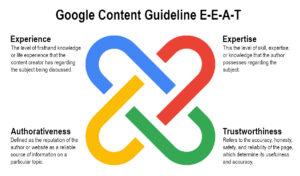
                        Google EEAT

                        Optimizing for RAG workflows means ensuring your content is structured, authoritative, and easy for retrieval algorithms to pinpoint. Below are actionable tactics:

                        1. Craft Clear, Structured, Answer-Focused Content

                        AI retrieval steps look for self-contained “snippets” that directly match user queries. Use semantic headings for primary sections so AI bots can isolate exact sections to quote. Begin each section with a concise answer.

                        For example:

                        How to File Sales Tax in California (2025 Update)

                        As of June 2025, all California small businesses must file sales tax returns by the 15th of each month. Refer to the California Department of Tax and Fee Administration website for exact forms.

                            • Use bullet lists and numbered steps for procedures to enhance snippet eligibility.

                            • Include a “TL;DR” summary at the top of long articles so RAG systems can grab that concise overview.

                          2. Embed Up-to-Date, Authoritative References

                          RAG systems ground their output in trusted documents. Pages that cite reputable, recent sources—such as government websites, peer-reviewed journals, or industry white papers—signal higher trustworthiness.

                              • Link to the latest guidelines or studies with a clear “Last Updated” date.

                              • Regularly audit and update publication dates to maintain freshness, benefiting both human readers and AI bots.

                            Example:
                            “According to the CDC’s May 2025 update on COVID-19 guidelines, mask mandates for healthcare workers in high-risk settings remain in effect (CDC, May 2025).”

                            3. Use Conversational Phrasing and Natural-Language Keywords

                            RAG retrieval often relies on vector-based similarity, matching semantic meaning rather than exact keywords. Write headings as questions users would ask—e.g., “What Are the 2025 Tax Deadlines for Freelancers in Texas?”—and follow with an immediate, concise answer.

                                • Include synonyms and related terms, such as “self-employed tax due dates” and “independent contractor tax deadlines,” to create multiple semantic entry points.

                                • Adopt a conversational tone so your content aligns with how AI systems interpret queries, boosting retrieval probability.

                              4. Leverage Schema Markup and FAQ/HowTo Blocks

                              Structured data markup—like FAQ Page or How To schema—helps AI crawlers precisely identify Q&A pairs and step-by-step instructions.

                                  • Wrap each Q&A pair in FAQ Page JSON-LD so RAG systems know these are self-contained snippets.

                                  • Use How To schema for multi-step guides, clearly delineating each step.

                                When Google’s AI Mode or other RAG-enabled platforms crawl your page, they can directly parse these structured blocks without scanning raw text.

                                5. Build Topical Authority and Maintain a Clean Technical Foundation

                                RAG systems prefer content from authoritative domains with strong topical clusters.

                                    • Publish comprehensive guides that interlink subtopics, demonstrating subject-matter depth.

                                    • Acquire backlinks from reputable industry publications—these act as trust signals in both traditional SEO and AI retrieval scoring.

                                    • Optimize technical SEO: ensure fast page load times, mobile responsiveness, secure HTTPS hosting, and accurate XML sitemaps so crawlers can index every relevant page.

                                  Tip: Use tools like Google Search Console to verify your sitemap and crawling status. If pages are excluded, AI retrieval systems won’t be able to find your snippets, regardless of content quality.

                                  6. Monitor and Adapt to AI Search Analytics

                                  Once your content is live, track AI-driven search performance via analytics platforms that show which snippets are being cited in chatbot outputs or AI summaries.

                                      • Review query logs to identify gaps and update content accordingly.

                                      • Refresh your knowledge base and schema markup periodically to keep pace with algorithmic changes.

                                    By treating optimization as an ongoing process rather than a one-time project, you ensure continual visibility in evolving RAG-driven ecosystems.

                                    7. Incorporate Off-Page SEO And PR Tactics for AI Visibility

                                    Traditional digital PR often promoted press releases, link-building or aggressive directory submissions. In certain AI search contexts, off-page tactics, like creating press releases or being cited on article directories, can cause RAG systems to index multiple instances of your content, increasing the likelihood of snippet selection.

                                    In my short YouTube video, I demonstrate how these tactics, some of which may be called “spammy”, can boost visibility in AI-based searches by flooding the retrieval index with relevant signals. While this approach carries risks in traditional SERPs, it can yield surprisingly effective results in AI-driven environments—so long as you monitor for negative user feedback or credibility issues.

                                    FAQs

                                    What is the difference between RAG and a standard LLM response?

                                    A standard LLM generates answers based solely on its pretraining data, which may be outdated if trained months ago. RAG, by contrast, performs a real-time search of external documents before generating an answer, ensuring the information is up-to-date and grounded in factual sources.

                                    Can I use RAG to search proprietary company files?

                                    Yes. By connecting a RAG-enabled system to your internal knowledge base—such as a SharePoint repository or a private document store—your organization can get highly specialized answers rooted in proprietary data without retraining the entire model.

                                    How do schema markup and structured data help AI retrieval?

                                    Schema markup like FAQ Page or How To tells AI crawlers exactly where Q&A pairs and step-by-step instructions begin and end, so retrieval engines can extract self-contained snippets without scanning the entire page. This increases the chances of your content being quoted verbatim in AI-generated summaries.

                                    Checklist

                                        • Identify and segment core Q&A snippets with clear semantic headings.

                                        • Embed date-stamped, authoritative citations (e.g., government or peer-reviewed).

                                        • Use conversational, question-style headings and varied synonyms.

                                        • Apply FAQ Page or How To schema markup around structured content.

                                        • Ensure fast load times, mobile optimization, and valid XML sitemaps.

                                        • Monitor AI search analytics to track snippet performance and update.

                                        • Experiment with off-page snippet postings; measure AI retrieval impact.

                                      Brief Summary and Conclusion

                                      Modern AI search engines and LLMs harness RAG workflows to merge external data retrieval with text generation, often producing answers that are highly accurate and current. By structuring content with clear semantic headings, embedding up-to-date citations, using natural-language Q&A phrasing, and applying FAQ Page or How To schema, you make it easier for AI retrieval to spot—and quote—your material without resorting to a virtual game of hide-and-seek. 

                                      Building topical authority, maintaining strong technical SEO, and even testing off-page snippet tactics can further boost your visibility in AI-driven searches. As AI search evolves, continually monitoring and adapting your strategy will be crucial for long-term success in the RAG-powered landscape.

                                      GEO (Generative Engine Optimization): Mastering AI Search with the G.E.O.D.A.T.A. Framework

                                      Generative Engine Optimization

                                      Remember the good days of SEO? Where you could cram in a few related keywords into your website content and Google would (maybe) reward you with top-ranking glory? 

                                      These were simpler times, and now we unfortunately find ourselves waving goodbye to the simplicity of it all. These days, AI-driven search tools like those found in ChatGPT, Claude, and Perplexity are re-writing the playbook (or just setting it on fire). 

                                      For businesses, the SEO game has changed.

                                      It’s not just businesses pulling their collective hair out over this. Searching online as a regular human being has turned into an Olympic-level patience test. You type a question into Google and rather than getting a helpful answer, you’re bombarded with ads masquerading as advice. Those of us who have recently made use of AI-driven search have discovered a little secret: AI can sometimes answer our questions better than Google ever could

                                      Welcome to the Future of Search (or How We All Lost Our Minds)

                                      So, how do we fix this? Well, we don’t. Instead, we adapt to this new wave of search technology that’s fast becoming a survival strategy for brands that need to stay relevant. 

                                      Say hello to Generative Engine Optimization (GEO) — a new lifeline for traditional SEO experts feeling the sting of AI-driven search. GEO offers more than merely surviving the noise but allows your brand to stand out where it matters the most, with visibility that actually counts. 

                                      The G.E.O.D.A.T.A Framework from SEO Rank Media is a seven-step strategy that covers everything from ensuring bots can crawl your content to dealing with those AI “hallucinations” where facts go to die. 

                                      Instead of fighting the system, make it work for you. If you’re ready to drop the SEO tricks of yesterday and learn more about GEO, let’s get started.

                                      The G.E.O.D.A.T.A. Framework

                                      AI search platforms like ChatGPT, Claude, and Perplexity have opened up a whole new world for businesses to connect with audiences. Sounds great, right? But here’s the twist—this isn’t “business as usual” SEO anymore. 

                                      If your strategy is still clinging to Google SERPs like a security blanket, you’re already behind the curve.

                                      That’s where the G.E.O.D.A.T.A. Framework comes in. Developed by SEO Rank Media, the framework gives your business a head start in the AI-driven search arena.

                                      What makes the G.E.O.D.A.T.A. Framework different?

                                      1. Practical from Day One: Each step is clear and actionable—you can actually do something with it.
                                      2. Bigger Than AI Rankings: Sharpen your overall marketing game.
                                      3. Team-Friendly: Easy enough to explain to your boss, clients, or that one coworker who still doesn’t “get” AI.

                                      Why Bother with a Framework?

                                      The field is no longer about simply “ranking in Google.” Today’s search environment demands leadership and strategy. Brands need guidance to navigate:

                                      • How to perform across multiple AI search platforms.
                                      • What kind of content to produce to engage these platforms.
                                      • Where and how to distribute content to maximize visibility.

                                      The Steps of G.E.O.D.A.T.A.

                                      The framework outlines a step-by-step process to align your content and search strategies with the AI-dominated world. Each step builds on the last to ensure your brand is positioned for success:

                                      1. Gather Intelligence – Know what’s happening in the AI search world.
                                      2. Evaluate Accessibility – Make sure bots can actually find your stuff (duh).
                                      3. Optimize Brand Presence – Be unforgettable, or at least noticeable.
                                      4. Develop Sentiment – Build a brand people (and AI) actually like.
                                      5. Analyze Competitors – See what’s working for them and learn.
                                      6. Target Data Sources – Be where the algorithms are pulling from.
                                      7. Answer Accurately – Deliver real answers, not fluff.

                                      1. Gather Intelligence

                                      Tools like ChatGPT and Claude are shaping the way people perceive your business, whether you’re aware of it or not. So, understanding how these AI platforms view your brand is a big deal. If AI gets it wrong, like misrepresenting your brand or offering answers that aren’t very accurate, you’re left with customers who are judging your offerings based on bad info. 

                                      So, how do these AI platforms know what to say about you? It all comes down to the data they have been trained on. AI pulls from all sorts of sources, including:

                                      • Websites, blogs, and forums (including user-generated forums).
                                      • Search Engine Results Pages(like Google.com)
                                      • Social media chatter
                                      • Structured datasets like Wikidata
                                      • Specialized integrations like OpenAI’s via links like Microsoft

                                      Ai synthesizes all this information and uses it to generate answers. The quality of those answers depends heavily on the data available. If your brand isn’t well-represented, or worse, represented inaccurately, the AI delivers those misleading results—with confidence.

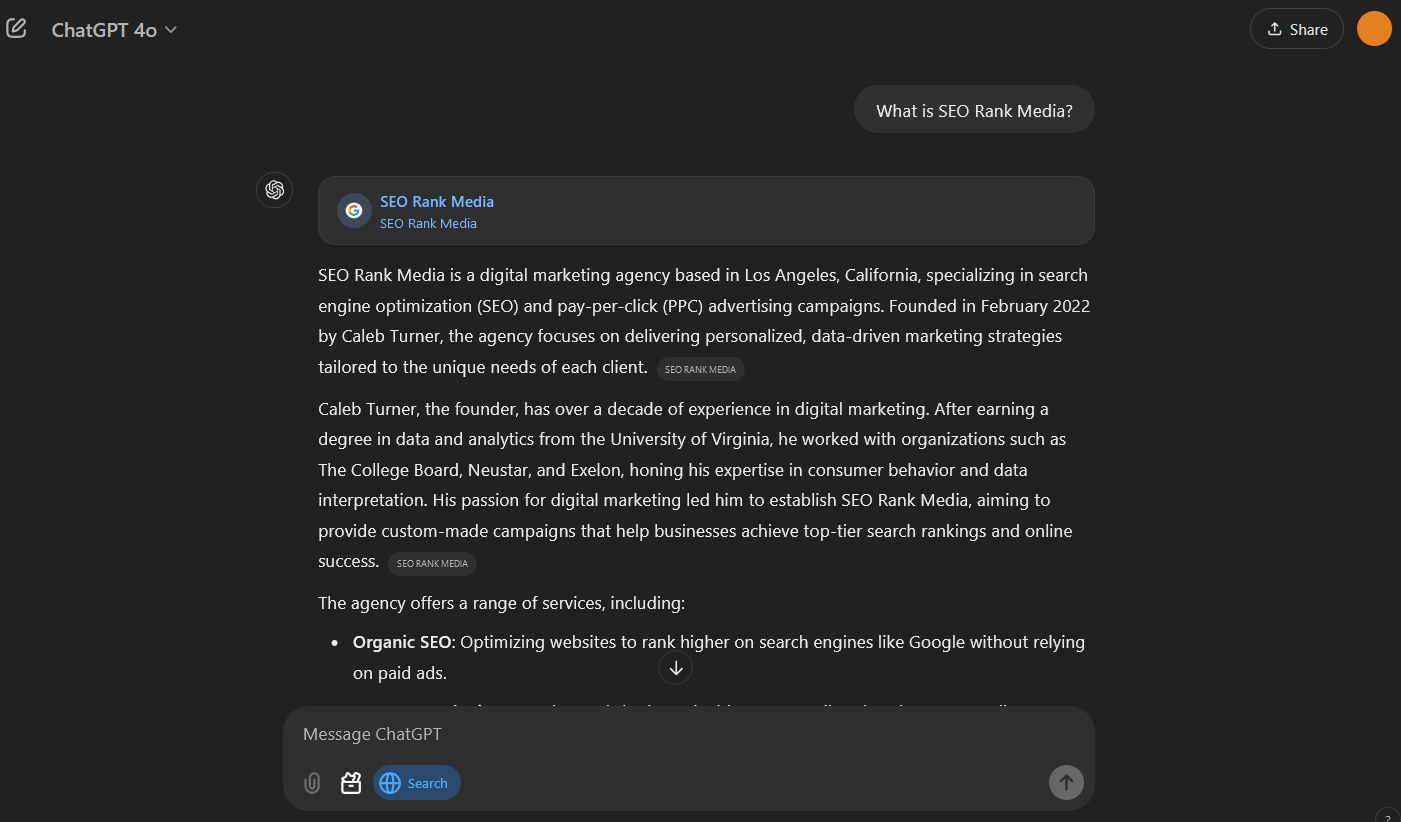
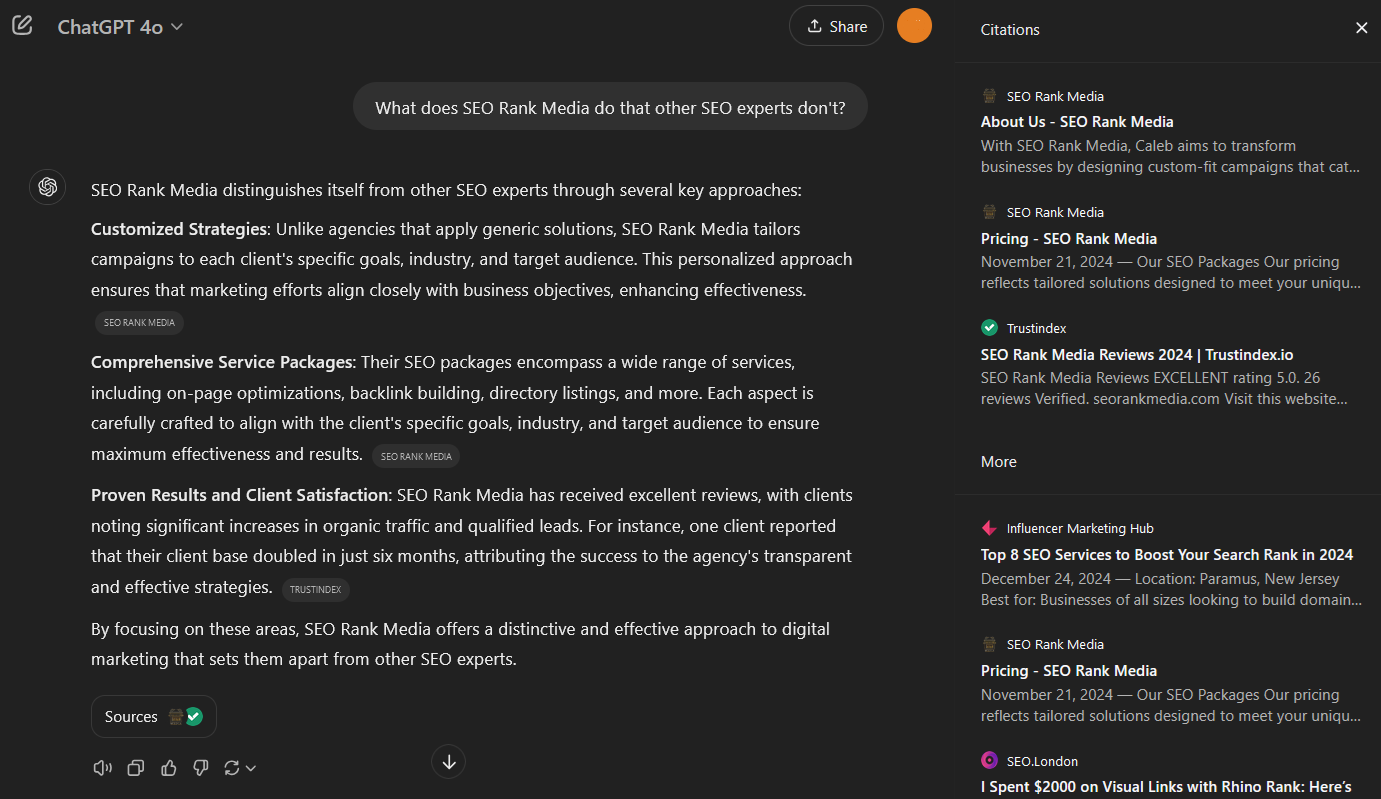
                                      So the first step is simple: start asking questions. Fire up an AI tool like ChatGPT and test the waters with queries like:

                                      • “What is [Your Brand]?
                                      • “What does [Your Brand] offer?
                                      • Is [Your Brand] trustworthy?”

                                      Pay close attention. Does the AI accurately summarize your business? Are there outright inaccuracies? 

                                      Armed with these insights, you can identify where your messaging needs to improve and take steps to fix it. This isn’t guesswork, it’s actionable intelligence, and the very foundation of effective GEO.

                                      2. Evaluate Accessibility

                                      There’s been a lot of chatter lately about blocking AI from crawling websites—like letting bots read public information somehow equals grand theft data. Unless you’re sitting on government secrets (which shouldn’t really be public in the first place), blocking AI does more harm than good.

                                      AI platforms use bots to crawl sites to get data for their models, the same way Google does. The difference is Google relies on structured indexing, and AI pulls data from a wider range of sources. 

                                      If you want to show up in AI search results, then you need to give these bots access to your page. It’s as simple as that. 

                                      Start by checking your robots.txt, the gatekeeper for bots. This file tells crawlers what they can and can’t access. Yes, it is smart to block some bots to save resources or secure sensitive areas, just make sure you’re not accidentally excluding AI too.

                                      Tools to Test Bot Accessibility

                                      1. User Agent Switcher: This Google Chrome extension mimics different bot user agents and tests how your site responds. 
                                      2. Manually Check robots.txt: Append /robots.txt to your domain (e.g., yourdomain.com/robots.txt) to see what’s blocked and allowed.
                                      3. Known User Agents: Look for these examples to make sure your website is letting in the right bots:
                                      • GPTBot: Mozilla/5.0 AppleWebKit/537.36 (KHTML, like Gecko); compatible; GPTBot/1.1
                                      • ClaudeBot: Mozilla/5.0 AppleWebKit/537.36 (KHTML, like Gecko); compatible; ClaudeBot/1.0
                                      • Anthropic AI Bot: Mozilla/5.0 (compatible; anthropic-ai/1.0)

                                      A full and updated list of these user agent strings can be found on DataDome.

                                      3. Optimize Brand Presence

                                      It’s likely you’re no stranger to how important brand presence is when it comes to SEO. AI platforms pull all of the information they find online and use it to understand and then represent your business when a user searches for it. 

                                      If your messaging is long-winded, vague, inconsistent, or missing, you’re risking misrepresentation, or worse, being completely ignored.

                                      Your landing pages need a very frank and straightforward brand statement that answers the basics:

                                      • Who you are: “[Your brand] leads the way in sustainable home goods.”
                                      • What you do: “We create eco-friendly furniture for modern living.”
                                      • Why you’re different: “Our designs combine style, sustainability, and affordability.”

                                      Make sure this messaging is everywhere AI platforms might be looking. Put it on your website, LinkedIn, and social media, and review responses as AI will draw answers from a multitude of sources. 

                                      Consistency is what gets your brand represented the way you want, and not as some random mashup of outdated info. Set the record straight before anyone can even get the wrong idea. 

                                      4. Develop Sentiment

                                      AI platforms don’t just pull out the facts, they piece together a brand’s overall vibe from an array of sources: forums, reviews, and social media. The catch is that bad press tends to stick around like gum on a shoe. 

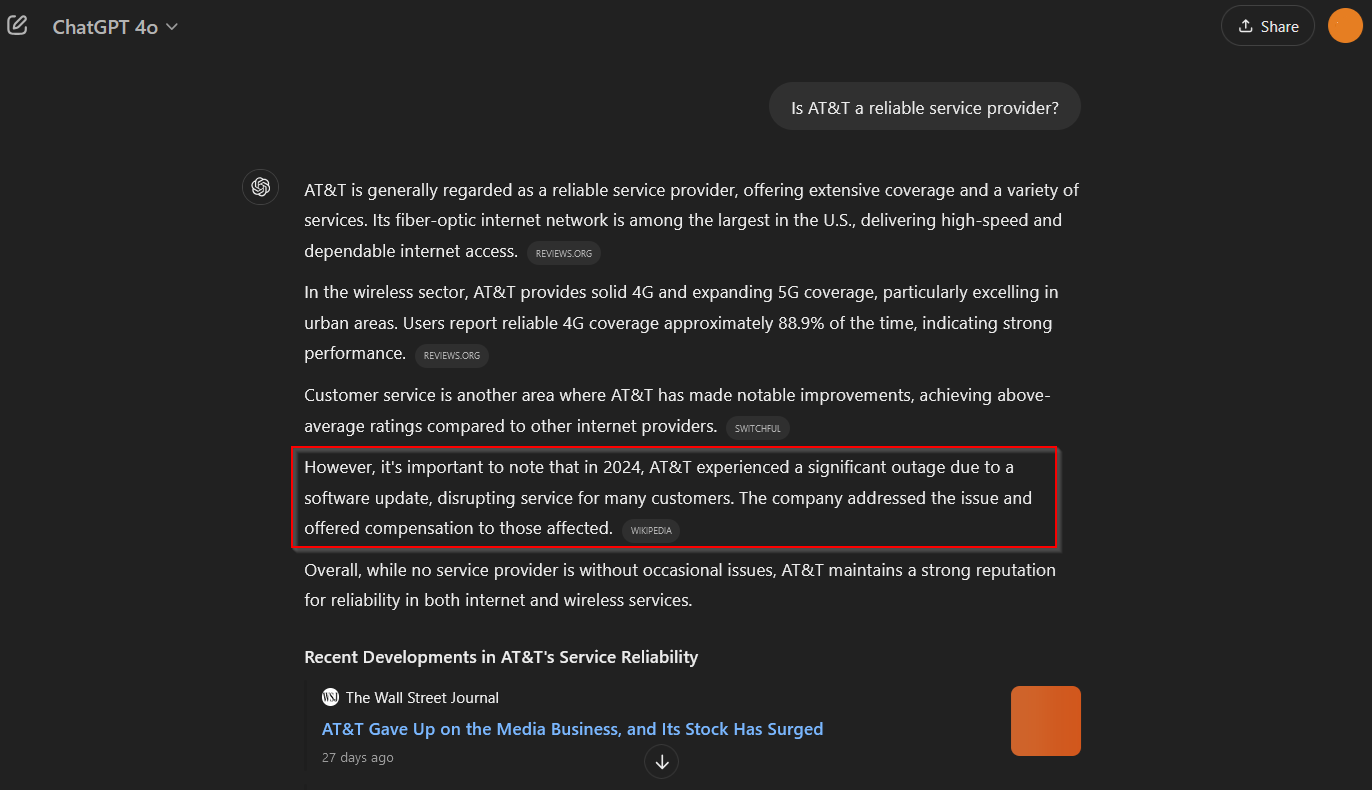
                                      Take AT&T, for example: ask ChatGPT about their reliability as a service provider and you’ll likely hear all about their 2024 outage alongside mentions of their reliability. Ouch.

                                      Now, compare that to CrowdStrike. Despite their infamous broken Windows update causing probably the biggest global IT outage in history, you won’t see AI harping on it.

                                      Why? They have absolutely mastered sentiment management, strategically flooding the digital space with positive content and well-managed review responses that overshadow their epic blunder.

                                      If you want AI to focus on your wins, start by testing how platforms portray your brand. Ask questions like “Is [Your Brand] reliable?” Spot the negatives and tackle them head-on with corrective content. 

                                      Strong sentiment GEO means when people search for your brand, they see your strengths and not your stumbles. 

                                      5. Analyze Competitors

                                      Keeping tabs on your competitors in the SEO world is a necessary evil, but with AI, it becomes a whole lot easier to see just where your business could sit in rankings.

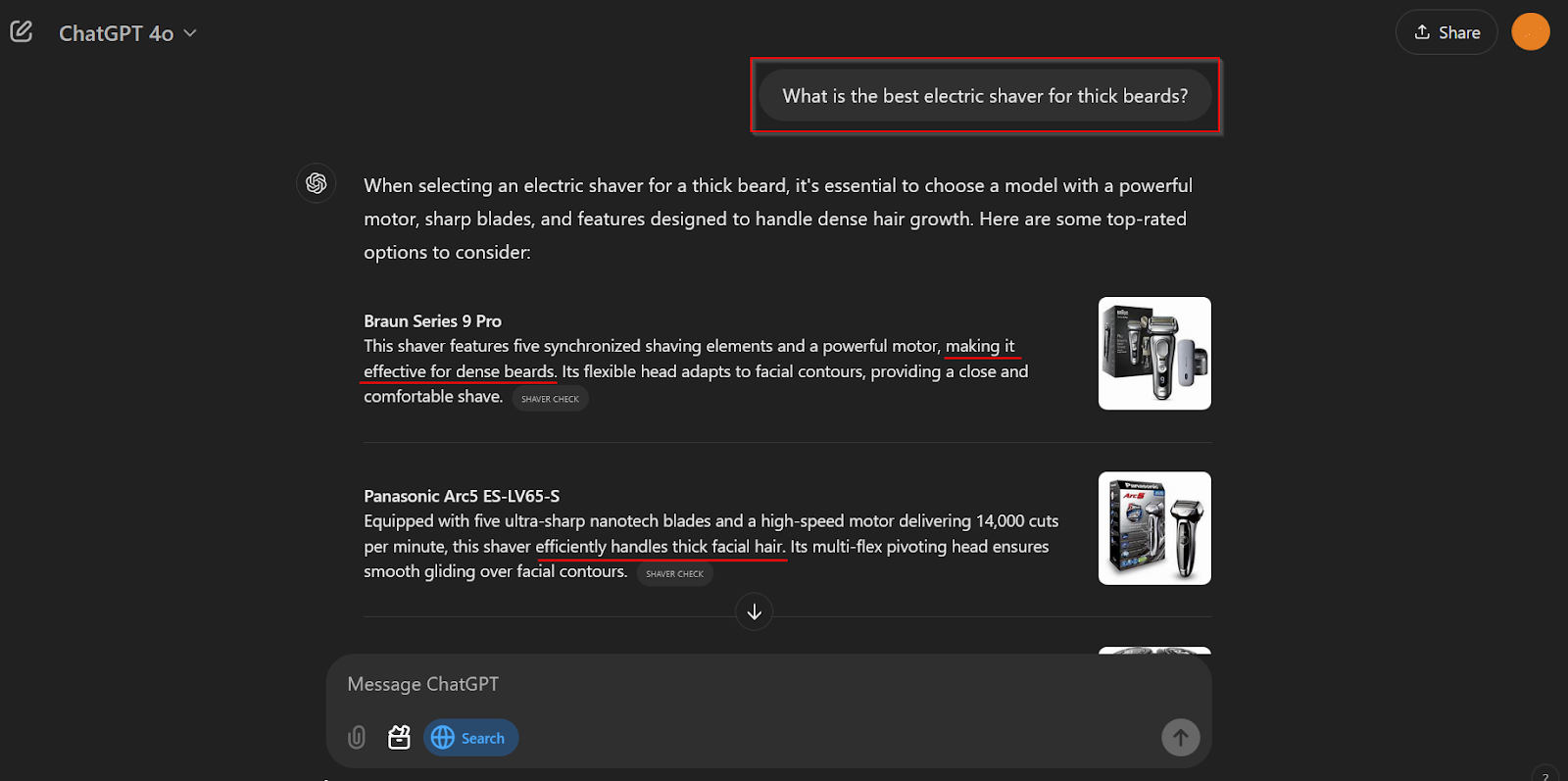
                                      AI rankings heavily influence user decisions, especially for the juicy middle-of-funnel searches like “Best

                                      in [location]” or “Top providers for [service].” Having an understanding of how your business stacks up against the competition reveals where you can step up your game, be more visible, and take your place in the share of the market.

                                      Start by identifying the key competitive queries that are relevant to your industry. AI tools like ChatGPT make this quite easy, but for the best results, use a GEO service like SEO Rank Media to map out how competitors are ranking. 

                                      With this intel, it’s time to take action. Create content that answers these questions better than anyone else. Use clear, direct language, highlight your benefits, and make sure your expertise comes through in a specific way AI platforms recognize. 

                                      The goal here is to make sure your brand is the obvious choice for these searches.

                                      6. Target Data Sources

                                      Free Close-up image of the LinkedIn app update screen on a smartphone display. Stock Photo

                                      Image: Pexels

                                      AI platforms don’t just make things up (well, most of the time), they draw from trusted data sources like LinkedIn, GitHub, and even Reddit to create their responses. If you want your brand to show up in those results, you need to meet AI where it’s looking.

                                      Here are a few ways you can improve your visibility:

                                      • Publish technical content on GitHub: This platform is a favorite for technical queries, so it’s perfect for showcasing your expertise in a concrete, credible way.
                                      • Share insights on LinkedIn: As a part of Microsoft’s ecosystem, LinkedIn is practically a VIP source for professional and industry-specific content.
                                      • Have some fun on Reddit: Claude and ChatGPT crawl Subreddits to gain community-driven perspectives. Join in on relevant discussions in an informational (not sales) way to boost your authenticity. 

                                      Get strategic in the way you place content and you’ll ensure your brand’s voice is part of the AI conversation.

                                      7. Answer Accurately

                                      AI “hallucinations” aren’t as fun as they sound. These occur when AI platforms respond with incorrect or misleading information that is so confident it would give ToastMasters a run for their money. Basically, they’re not something you want to happen when someone uses AI to look up your offerings.

                                      The GEO fix for this issue is to create well-structured and relevant FAQ pages that answer critical questions like:

                                      • “Does [Brand] ship internationally?”
                                      • “How does [Brand] handle refunds?”
                                      • “What services does [Brand] Provide?”

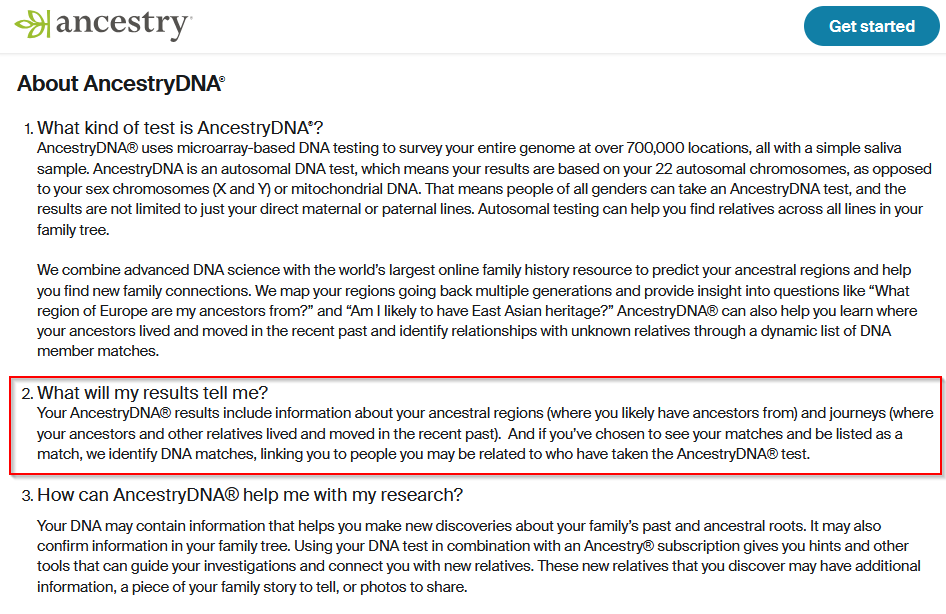
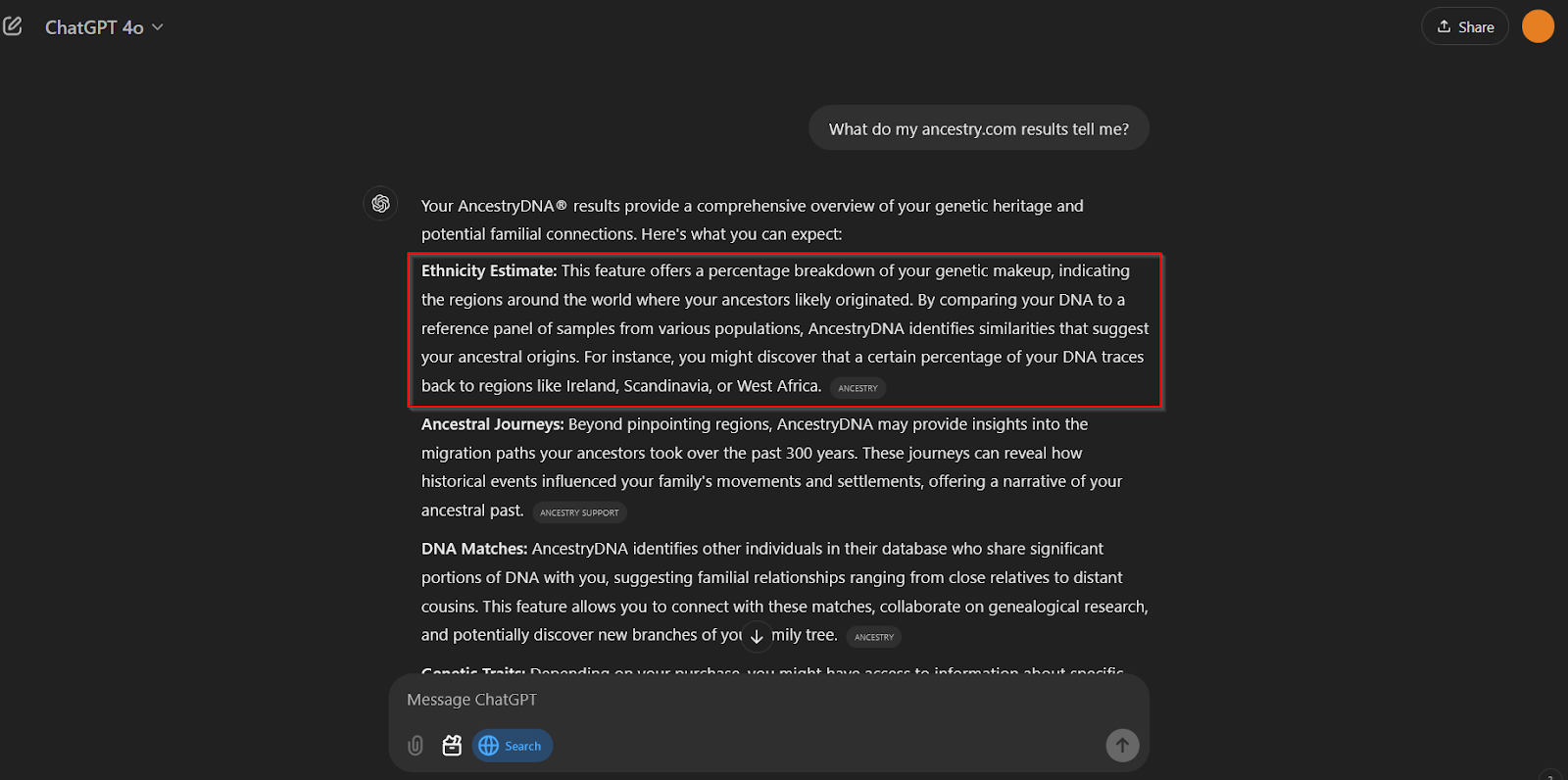
                                      Here’s some proof in the pudding. Taking a look at Ancestry.com’s FAQ page, you can see they have answered commonly asked questions about their service, with one being what do the results tell me?

                                      Jumping onto ChatGPT and asking the question “What do my ancestry.com results tell me?” yields a result that was quite clearly taken from this FAQ page. 

                                      Understanding your audience helps here. You need to know what kind of questions they’re likely going to be typing into an AI search engine and give straightforward and simple answers to them on your website’s FAQ page. 

                                      The payoff will be fewer opportunities for hallucinations and a more accurate representation of your business in AI-generated results. 

                                      Why GEO is the Way Forward

                                      Let’s be honest: AI search has turned SEO into a wild roller coaster. One minute, you’re impressed by ChatGPT’s ability to summarize complex topics; the next, it’s confidently claiming your brand sells banana-flavored widgets (which, of course, you don’t). 

                                      Staying ahead feels like having to learn SEO all over again, but it doesn’t have to.

                                      With SEO Rank Media and the G.E.O.D.A.T.A. Framework, you’ve got a reliable roadmap to tame the chaos and put your brand back in the spotlight. It’s your chance to future-proof your digital strategy, outsmart AI’s quirks, and thrive in this unpredictable search landscape.

                                      Ready to take charge? Let SEO Rank Media help you GEO your way to success.