Recent AEO/SEO Developments: And What Some Get Wrong About Search


In a recent video interview, which you can find on my YouTube channel, Mitko asked me why it is that so many people say that “SEO didn’t work” for them.
A lot of businesses think search is supposed to reward them quickly just because they made changes, published content, or hired somebody to “do SEO.” That is not really how Google operates.
In fact, one of the biggest mistakes I see is people expecting fast, clean, obvious feedback from a system that is built to be cautious, suspicious of manipulation, and slow to hand out trust.
That is the frame I want people to understand.
I talk about this in the above recent YouTube video.
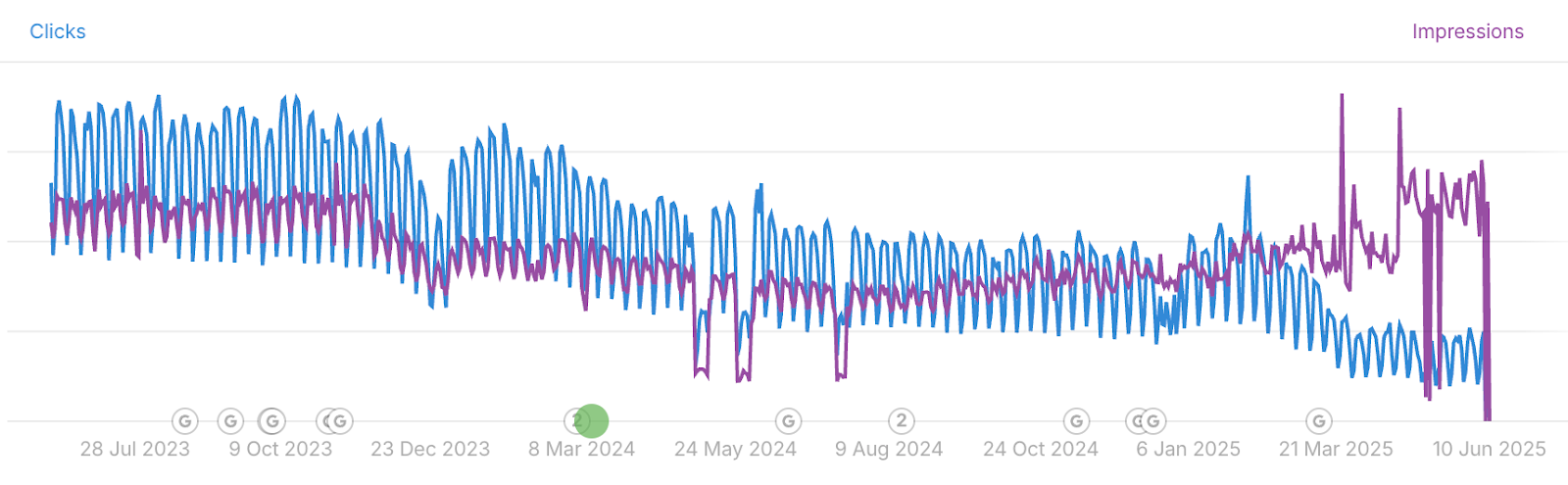
In the video, I talked about a Google patent that gets at this idea directly. The core point is that when changes are made to a document or a site, Google may not just cleanly move that page from old rank to new rank in a straight line. There can be a transition period. And during that transition period, the response can look delayed, negative, random, or just unexpected.
That part matters a lot.
Because what most businesses want is this: “I made the optimization, so now show me the reward.”
But what Google seems to be saying is closer to this: “You made a change. Fine. I am still going to watch it. I am still going to test it. I am still going to make sure I am not being manipulated.”
That is a completely different mindset.
And once you understand that, a lot of what confuses people starts to make more sense.
So when I look at Google, I do not look at it like some simple machine where you press a button and get a ranking. I look at it more like a system that is trying to protect itself. It wants to separate genuine value from manipulation. It wants to avoid being gamed. It wants to see what holds up.
And if that is how the system operates, then the businesses that win are usually not the ones chasing instant movement. They are the ones doing steady, credible, useful work long enough for trust to build.
That is the foundation.
And once you understand that foundation, the next two shifts matter even more.
Why TurboQuant Matters More Than It Sounds

Now let’s build on that.
If Google is already operating from a place of caution and trust, then the next big question is how it gets better at understanding meaning, intent, and usefulness at scale. That is where TurboQuant gets interesting.
The simple version is that TurboQuant points to AI search getting much faster and more efficient at handling vector search. In plain English, that means better semantic understanding across huge amounts of information. It means systems can process meaning more efficiently instead of relying so heavily on simple term matching and slower methods.
What gets my attention here is not just the technical side of it. It is what it suggests about where search is going.
If Google gets faster at building and using these semantic representations, then it gets better at understanding what a person is actually looking for, not just what exact words they typed. It also gets better at pulling from a much larger pool of relevant information when deciding what to surface.
That raises the standard.
Because now it is not enough to just have a page that mentions the right terms. It is not enough to sound vaguely relevant. The system is moving more toward understanding whether your page actually helps with the need behind the query.
That is a big difference.
So when I look at something like TurboQuant, I do not see it as some separate “AI thing” over here and SEO over there. I see it as part of the same direction Google has been moving in for years. Better understanding. Better retrieval. Better intent matching. Better filtering of weak, generic, copycat content.
And that brings more pressure, not less.
You do not respond to this by pumping out more empty pages. You respond by making your content more answer-ready, more credible, and more tightly aligned with what real people and AI engines are looking for. You reduce fluff. You improve structure. You make your pages easier to understand. You make the value obvious.
That is what I think a lot of people miss when they hear about new search technology. They want a trick. They want a shortcut. But most of the time, what these changes really do is increase the reward for clarity and increase the penalty for weak thinking.
Why ChatGPT Just Became a Bigger Product-Discovery Surface

Now, here is the other shift brands need to pay attention to.
ChatGPT just became a more serious place for product discovery.
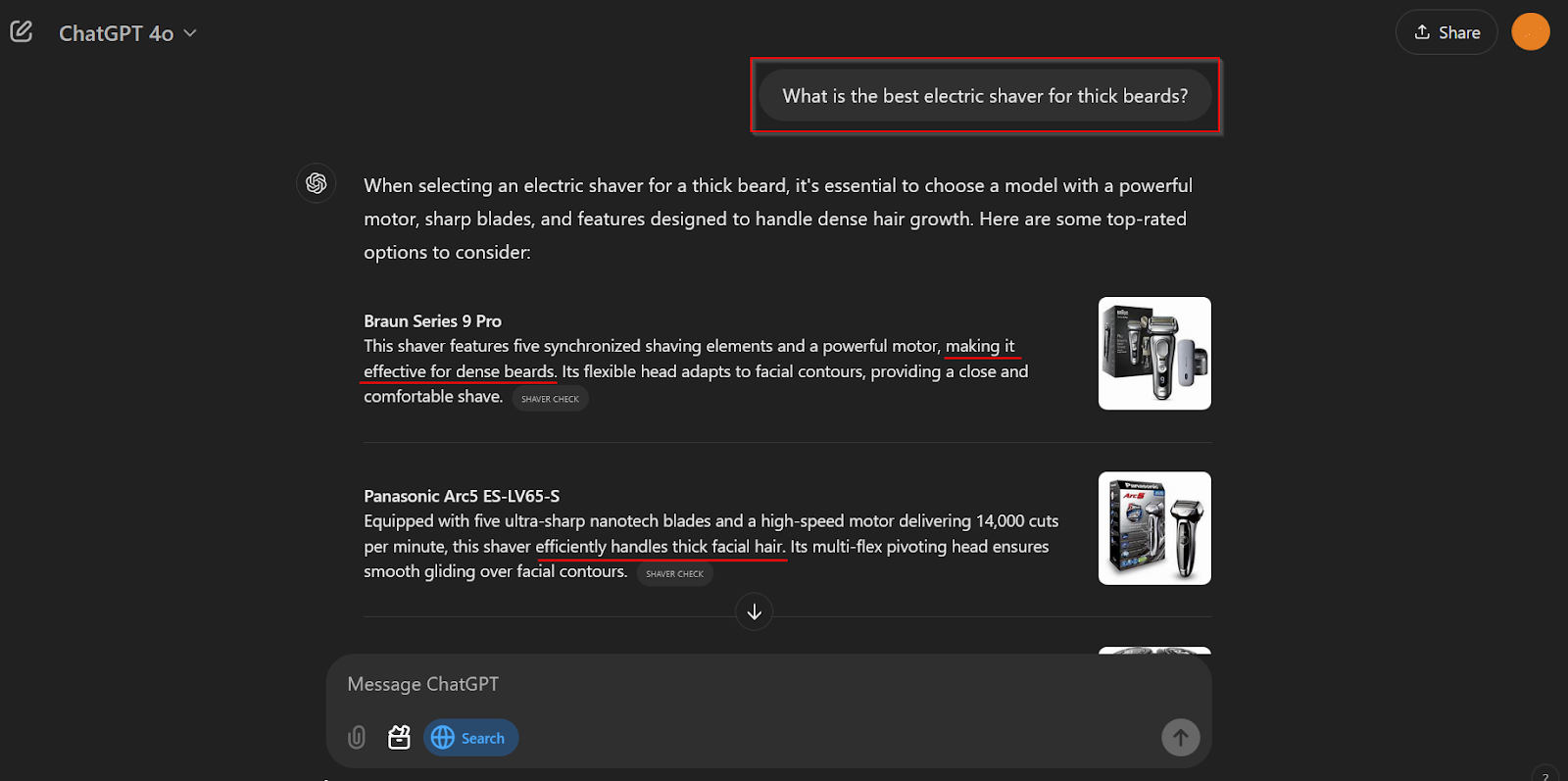
With the richer shopping experience that rolled out in late March, users can now begin to browse more visually, compare products side by side, and move through product consideration in a much more direct way inside ChatGPT itself. To me, that matters because AI visibility is not just about being cited anymore. It is increasingly about being considered.
That is a different stage of the journey.
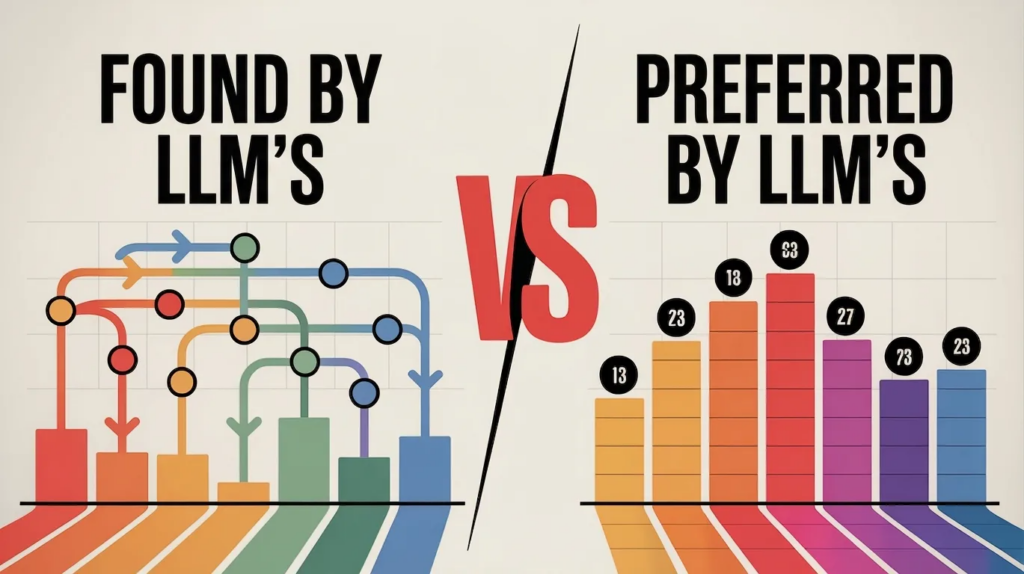
A lot of brands are still thinking, “Do I show up?” But that is too basic now. The better question is, “When I do show up, can I be understood, compared, and chosen?”
Because that is where this is going.
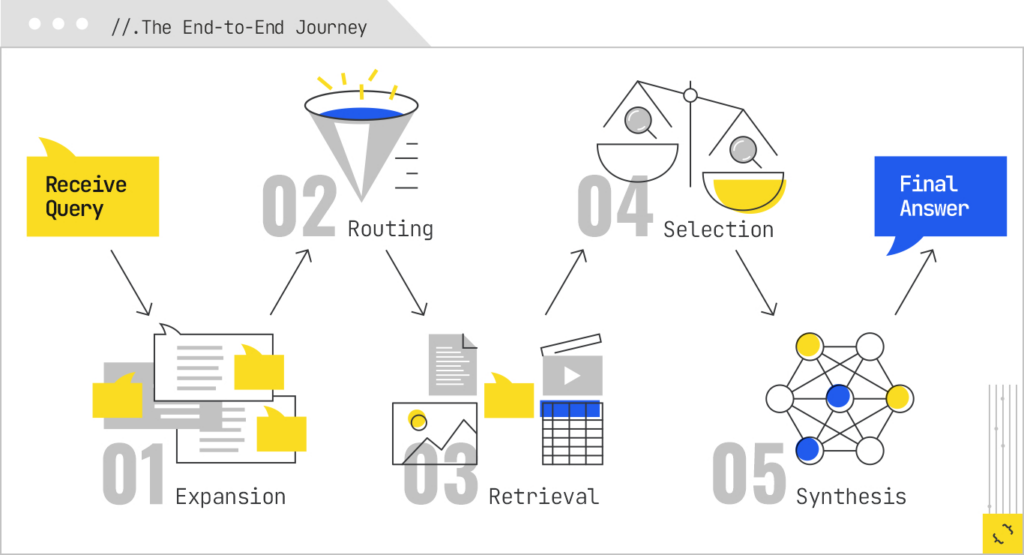
If a person is using ChatGPT to explore products, compare options, and narrow decisions, then your visibility problem is no longer just a traffic problem. It is a retrieval and consideration problem.
Can the system pull in the right information about what you sell? Can it understand what makes your product different? Can it present your offer in a way that makes sense next to alternatives?
If not, you are leaking visibility at the exact moment somebody is trying to make a decision.
And this is where I think the connection becomes really clear.
Google’s operating logic has long been about resisting manipulation and trying to reward actual value over time.
New developments like TurboQuant suggest search systems are getting faster and better at understanding meaning and intent.
And now ChatGPT is becoming a stronger environment for product comparison and discovery.
Put all of that together, and the pattern is obvious.
The brands that win are not going to be the ones relying on shallow tactics, inflated claims, or messy pages that make people work to understand them. The brands that win are going to be easier to retrieve, easier to understand, easier to compare, and easier to trust.
That is the real shift.
So if I am looking at a brand right now, I am asking a few simple questions:
Is the message clear?
Is the offer easy to understand?
Is the content genuinely useful?
Are the pages structured in a way that helps both humans and machines?
When somebody compares this brand to alternatives, is there a strong reason to choose it?
That is where I would put my attention.
And this is what we help brands accomplish organically.
Because search is not just a ranking environment anymore. It is becoming more of a retrieval, evaluation, and selection environment. And honestly, that has been building for a while. It is just getting harder to ignore now.
Be clearer.
Be more useful.
Be more credible.
Be easier to understand.
And stop expecting a trust-based system to behave like a vending machine.
That is the mindset shift.
And the businesses that make that shift early are going to be in a much better position than the ones still waiting for instant feedback from systems that aren’t designed to work that way.